Aburi Hana
102 Yorkville Ave
Unit 4 Lower Level
Toronto
CA
M5R 1B9
While I usually avoid calling anything hidden in Toronto, Aburi Hana tests that rule by sitting down a quiet alley and inside a Yorkville basement. As a first-time diner, I'm stepping in long after hearing all about its lore: the hushed, shrine-like dining room, the synchronized service, the dry ice theatrics and the eye-watering $430 price tag that earned it a Michelin star.
Today, that multi-hour marathon is gone, replaced by an approachable à la carte model. The shift follows the departure of executive chef Ryusuke Nakagawa, with Aiko Uchigoshi — a 14-year Aburi veteran who served as Nakagawa’s second-in-command while leading executive pastry — taking over as culinary director alongside head chef So Sakata.
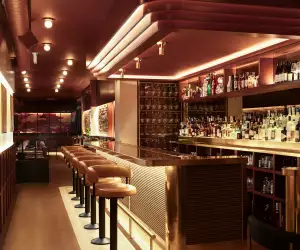
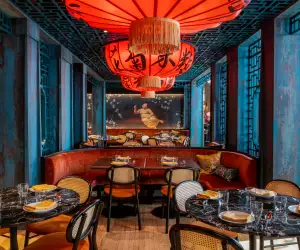
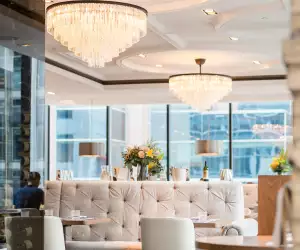
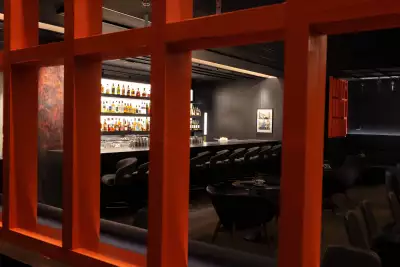
Inside, the space is much smaller than I expected, instantly leaning into the cozy, speakeasy energy that has been buzzing online. Low lighting, warm dark woods and intimate seating make the small room feel custom-built for a moody date night.
Jessica Blaine Smith
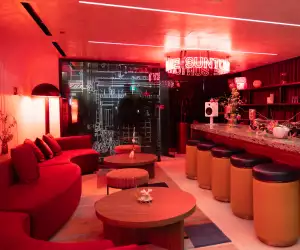
There really isn't a bad seat in the house. Settle at a table on the floor, and you still get pretty good seats to the show behind the bar, where I find myself delightfully distracted watching the team shake and stir cocktails.
Meanwhile, two concealed doors off the main room lead straight into the kitchen, creating a seamless flurry of movement as servers disappear through one panel and loop out the other with the next wave of plates. Sitting close enough to watch the quiet focus of the floor staff, it's clear the technical rigour hasn't vanished with the old kaiseki model. Whether this new, relaxed direction earns them back their stairs in the 2027 Michelin Guide remains to be seen.
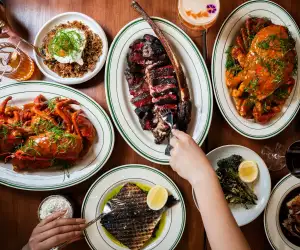
For this preview, we were served a wide-ranging spread of the new à la carte menu, presented with tasting-menu care. Beyond the bites themselves, learning the background behind each plate adds a layer of intimacy to the meal, especially as I snag our server to learn more about the bites in front of us.
Jessica Blaine Smith
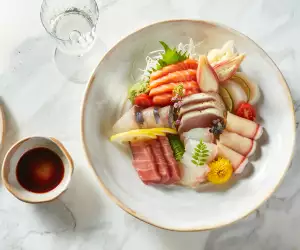
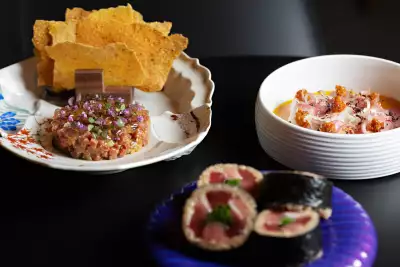
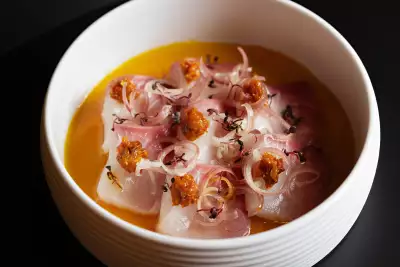
We work our way through a bright Kinmedai prosciutto ae with yuzu vinaigrette, a kombu-cured wagyu tartare loaded onto crunchy polenta shichimi chips, a vibrant Japanese garden salad with kimizu sabayon, smoky Iberico pork secreto misozuke and a pristine six-piece oshi sushi selection topped with caviar.
Sharing plates across the table works well for most items, though with a menu this detailed, sometimes a single intentional bite is really all you need. That being said, I would have preferred the ice cream all to myself... But I'll get to that.
Out of the savoury lineup, the housemade matcha shokupan is my absolute favourite bite of the night. Fluffy matcha milk bread arrives alongside a silky foie gras parfait, complemented by narazuke pickles and rich Kinzanji miso. While the dish typically features candied hazelnuts for texture, the kitchen seamlessly removed them to accommodate my nut allergy, a touch that did not go unnoticed. This dish neatly sums up the new direction under Uchigoshi: deeply technical Japanese execution that feels accessible and genuinely fun.
I'm the kind of person who habitually sneaks a peek at the dessert menu before even deciding on an appetizer, but that ritual usually gets thrown out the window when a set menu is laid out in front of you. Yet months after dining at Aburi Hana, it's the final sweet note that has completely hijacked my memory of the evening.
Jessica Blaine Smith
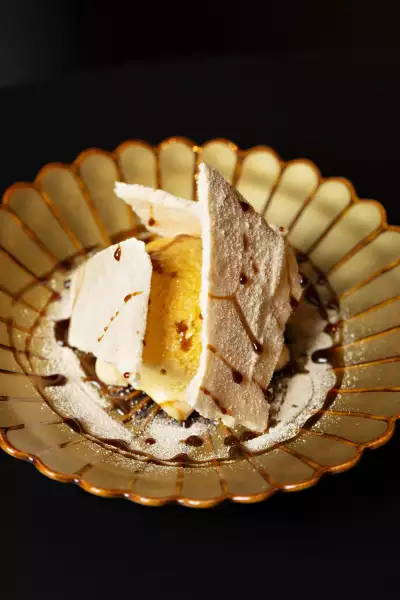
Their wasanbon ice cream uses a fine, handcrafted Japanese sugar (I was told it's similar to a brown sugar, an expensive version) that gives the base a rich, savoury caramel depth, elevating it far beyond a simple frozen treat. Drizzled with Okinawa kuromitsu syrup and topped with delicate wasanbon meringue, which offers a light initial crunch before instantly melting on your tongue, it's an finale. I know it's not a spot you would usually seek out just for dessert, but I'm considering a return for just that.
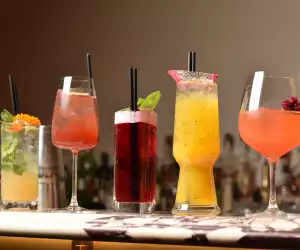
To pair with the food, the drink menu features milk punches that hold their own against the kitchen's technical work.
My first winner of the evening is Time Moves Slow, a soy milk punch combining rum, Choya Umeshu, Cynar, pineapple, lime, nutmeg and demerara syrup. It's smooth, slightly spiced and beautifully rounded, with the nutmeg making it feel like the ultimate transitional sip as we move into fall.
My other pick, Return of the Killer Tomato, tilts in a savoury direction. It's a milk punch crafted with yuzu kosho-infused gin, Kirishima Aka Shochu, Aperol, Cocchi Rosa, tomato water, sudachi, genmaicha, sesame, and balsam fir bitters created by Cheers to Happy Hour, a member of the foodism Creator Program. It's complex and easily marks another fantastic entry in my ongoing search for the best tomato cocktails across the city.
Whether you slip down the alley just to grab an inventive milk punch at the bar or settle into a quiet corner for drinks and dessert, Aburi Hana has shed its fine-dining sheen for a more relaxed dining experience.
Dinner and drinks for two: around $190, before tax and tip.