Brought to you by

Malta has long drawn travellers with its honey-coloured architecture, crystal coastline and fascinating history, but lately, there’s another reason to book a flight — the food.
The Mediterranean archipelago’s culinary scene is having a major moment, and the 2026 edition of the Michelin Guide proves it. Across Malta and Gozo, 48 restaurants earned recognition this year, including six new additions — a sign that the islands’ dining culture is evolving rapidly, with ambitious chefs, hyperlocal ingredients and a fresh sense of culinary identity taking centre stage.
At the top of the list is ION Harbour, Malta’s only two-Michelin-starred restaurant. Overseen by acclaimed British chef Simon Rogan, the restaurant has become synonymous with refined Mediterranean cooking rooted in seasonality, sustainability and incredible local produce. Set against sweeping views of Valletta’s historic harbour, the experience feels unmistakably Maltese while remaining globally relevant.
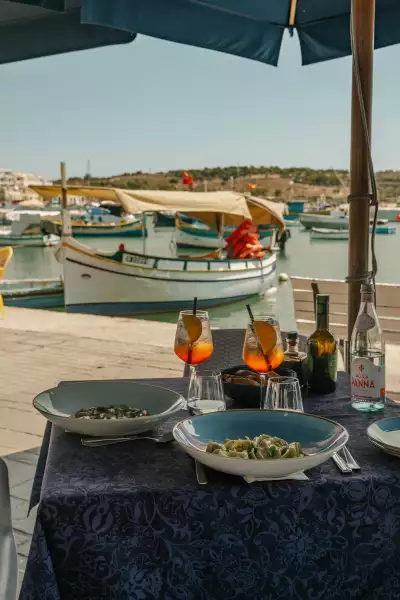
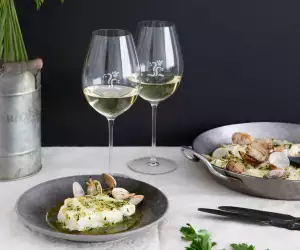
Elsewhere across the islands, six one-starred restaurants continue to push Malta’s culinary reputation forward. Spots like Noni, Under Grain and Rosamì balance modern technique with regional character, spotlighting fresh seafood, indigenous wines and ingredients sourced from nearby farms and waters. Whether tucked into the medieval streets of Mdina or lining the waterfront in Sliema, each restaurant offers a different lens into Malta’s evolving food story.
And while the Michelin stars may grab headlines, some of the islands’ most exciting dining experiences can be found beyond fine dining. Michelin’s Bib Gourmand category — which recognizes exceptional food at more accessible price points — expanded to five restaurants this year, reflecting a broader culinary culture that values quality and hospitality at every level.
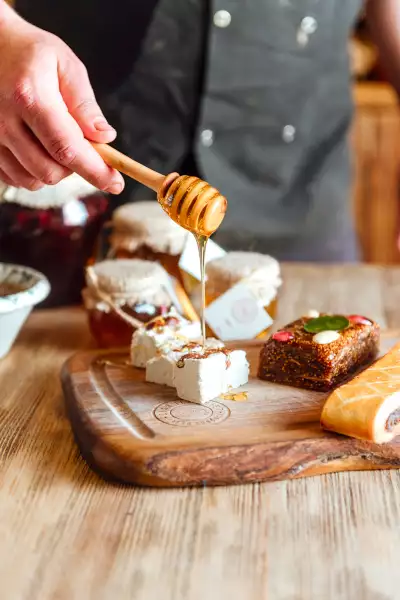
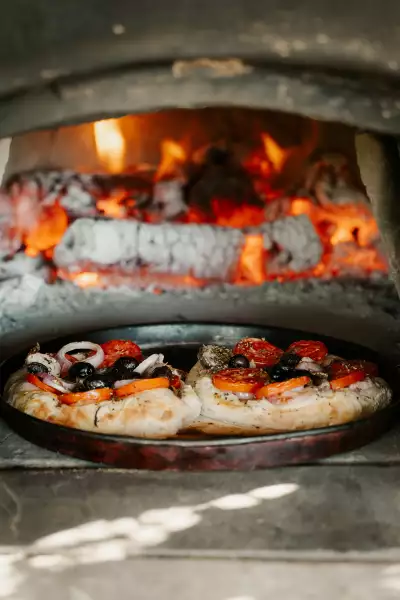
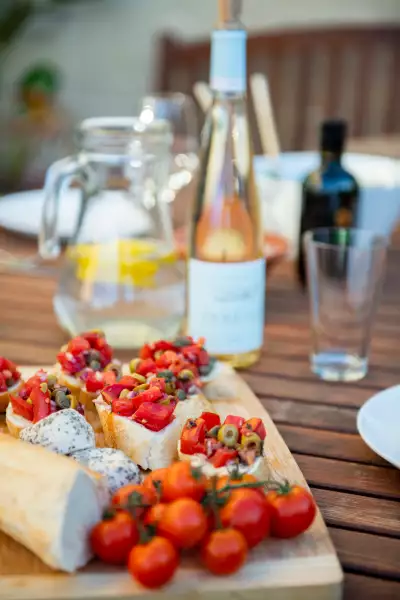
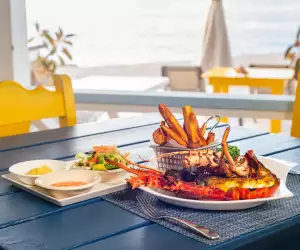
That sense of hospitality is woven deeply into Maltese dining. Traditional recipes are reimagined with contemporary flair, from rustic seafood dishes levelled up with modern plating to farm-to-table menus that celebrate the islands’ rich agricultural heritage. Olive oil, local honey, fresh tomatoes, capers and fish that just left the water all feature prominently, grounding even the fine-dining dishes in a strong sense of place.
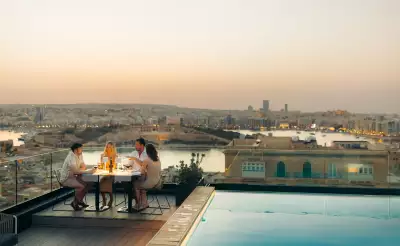
Since partnering with Michelin in 2019, Malta has steadily positioned gastronomy as a key part of its tourism identity — and travellers are taking notice. Increasingly, visitors are arriving not just for the beaches and historic sites, but also for tasting menus, natural wines and long alfresco dinners overlooking the sea.
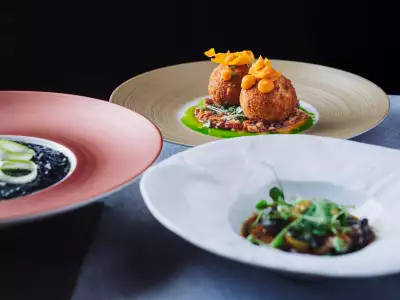
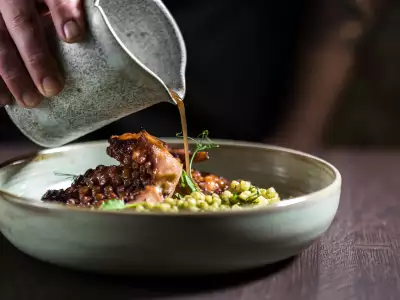
The result is a dining scene that feels both polished and easygoing, ambitious without losing its warmth, and globally minded while remaining unmistakably local.
With the 2026 Michelin Guide reaffirming Malta’s culinary momentum, the islands are no longer simply an emerging food destination — they’ve officially arrived.
To start planning a trip to explore the islands — one unforgettable plate at a time — head to visitmalta.com