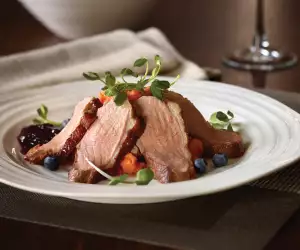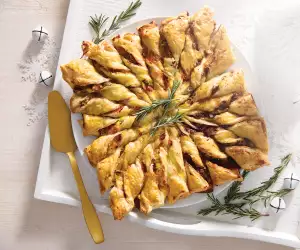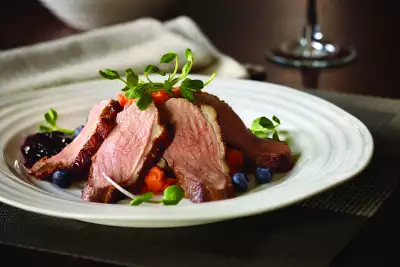
Duck crowns glow in aging lockers across Toronto, French bistros are serving crackling confit legs and chefs across the city are using inventive duck charcuterie to build sharing plates. Once reserved for high-end dining or specialized holiday feasts, duck is earning its place as more than just an occasional indulgence.
With home cooks looking beyond standard poultry, duck offers a rich, deeply savoury alternative. We sit down with Steve McGoey, director of culinary innovation at King Cole Ducks Ltd., whose team has been farming in York Region for 75 years. From rendering fat step-by-step to tackling a whole bird, it’s time to demystify this protein and make cooking it at home approachable.

What's the biggest misconception people have about cooking duck?
"The hesitation usually comes down to cost and fear of the unknown. Because protein is an investment, home cooks default to comfortable choices, assuming duck will turn out gamey or dry if cooked wrong. "Duck isn't complicated; people complicate it because they're unsure of it," says McGoey. "Our farm-raised ducks live on a clean, controlled diet, so the flavour is sweet, rich and approachable — never gamey."
What's the secret to properly rendering the fat on a duck breast?
Be patient and start cold, not with a hot pan. Starting a duck breast in a scalding-hot pan can brown the skin before the fat underneath has had time to render. The trick is to score the skin by making shallow incisions across the fat cap without cutting into the breast meat, and place the breast skin-side down in a completely cold pan. As you slowly bring the heat up, the fat renders from the inside out, allowing the skin to slowly start crisping up within its own rendered fat.
Why are breasts and legs cooked differently?
It all comes down to muscle use. The breast functions much like a steak — tender and often served medium-rare or medium, with a rosy-pink centre. The legs, on the other hand, do all the heavy lifting. They need low-and-slow cooking, like roasting or classic duck confit, to break down those tissues until the meat pulls effortlessly off the bone.
How does the farming approach influence the quality?
Operating a fourth-generation family business means managing every single stage of production, from breeding and hatching to feed and harvest. Controlling the birds' diet with local grains and raising them in spacious, temperature-controlled barns ensures a calm environment. "Happy ducks make tasty ducks," says McGoey.
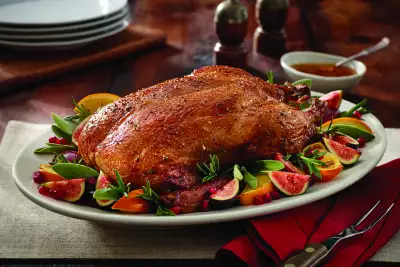
Can duck replace turkey during the holidays?
While turkey can easily dry out during a roast, duck self-bastes thanks to its generous outer layer of fat, making a whole duck a striking centrepiece for an intimate holiday table. For hosting a larger crowd, "I encourage people to use duck as a secondary item alongside a traditional ham or turkey," he suggests. "It allows you to introduce it to guests so they can experience how wonderful it is without completely abandoning family classics."
What are your favourite ways to use duck fat beyond roasting potatoes?
Rendered duck fat has a higher smoke point than butter and contains a mix of saturated and unsaturated fats, plus a rich, silky flavour profile that allows it to swap into almost any application where you normally use butter, lard or cooking oil. "If you substitute duck fat into a pie crust, it becomes super flaky, rich and bakes with a beautiful texture," says McGoey. If you're leaning toward something a bit more simple, he mentions that using it instead of cooking oil to make stovetop popcorn is a fantastic bar-style snack.
How are Toronto chefs getting creative with duck on their menus?
With protein costs rising, Toronto chefs are using creative share-plate formats to showcase versatile ingredients. "Duck is like beef in the sense that you can dry age it or cure it like prosciutto," says McGoey. "It's a remarkably versatile protein, and creative chefs are using small plates and charcuterie to highlight its benefits while giving diners more variety."
What's the benefit of buying a whole bird?
Buying a whole duck is the most economical approach because you can separate it into several distinct components for your kitchen. "You can cook the breasts one way, roast the legs another, use the wings, render the fat, and simmer the bones for a rich soup," says McGoey. "The more you do at home, the better the value because you get the full utility of the bird without paying for someone else's labour."
If someone is cooking duck for the very first time, what entry-level cut gives the biggest reward?
Duck legs are one of the most forgiving cuts. Because they thrive on low-and-slow cooking, they're less likely to dry out than breasts and become beautifully succulent with enough time. As McGoey puts it: "Grab some duck legs, season them up and roast them in the oven, and you're gonna probably have some pretty good success."
Where to get duck
King Cole Ducks Farm Store
15351 Warden Ave., Stouffville

If you want to go straight to the source, head to King Cole's dedicated farm market in Stouffville. Beyond fresh whole ducks and raw cuts, the store stocks ready-to-heat duck confit, smoked duck breasts, rendered duck fat and specialty charcuterie items straight from their local farm.
Sanagan's Meat Locker
Multiple locations across the GTA
Toronto's premier neighbourhood butcher shop is a go-to spot for ethically raised, Ontario poultry. Whether you're looking for high-quality fresh duck breasts to practice your cold-pan rendering or tubs of pure duck fat for roasting, Sanagan's carries top-tier local cuts alongside expert advice from behind the counter.
Restaurant 20 Victoria
20 Victoria St.
Holding a Michelin star in the heart of downtown Toronto, this intimate fine-dining destination treats local ingredients with incredible skill and restraint. While their multi-course tasting menu changes frequently, duck remains a celebrated focal point of the kitchen — offering diners an unforgettable execution of the poultry.