Brought to you by

When most people think of Greek wine, one destination immediately comes to mind: Santorini. With its volcanic vineyards and world-famous Assyrtiko, it has become the international face of modern Greek wine. But venture a little further south, and you'll discover an island whose wine story began thousands of years before Santorini became famous.
Welcome to Crete.
As Greece's largest island, Crete is celebrated for its spectacular coastline, warm hospitality, exceptional olive oil and unforgettable cuisine. Yet quietly woven through its mountains and valleys is one of Europe's oldest wine cultures. Here, vineyards have been cultivated since the Minoan civilization, making Crete one of the oldest continuously producing wine regions in the world.
Today, a new generation of winemakers is introducing the world to the island's indigenous grape varieties, proving that some of Greece's most exciting wines have been hiding in plain sight.

A landscape built for great wine
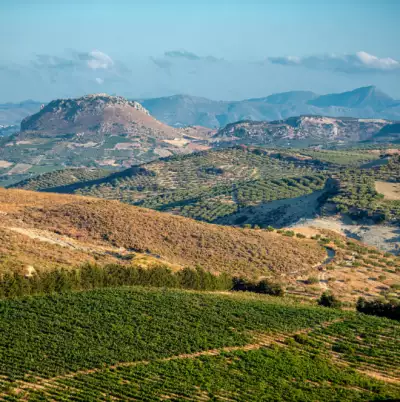
Much of Crete's modern wine story centres around PDO Handakas–Candia, an appellation in the Regional Unit of Heraklion officially recognized in 2011. Named after the historic Venetian name for Heraklion, Candia, the PDO celebrates both the region's remarkable history and its exciting future.
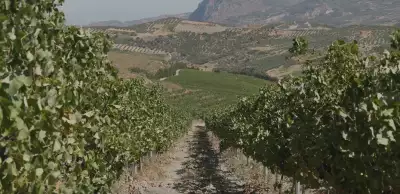
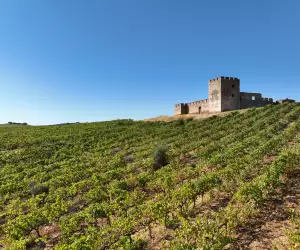
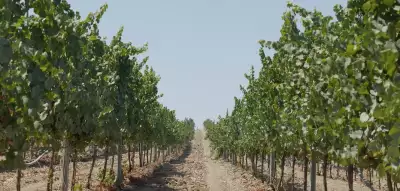
The vineyards climb rolling hills and mountain slopes reaching elevations of nearly 700 metres. Warm Mediterranean sunshine encourages ripeness, while cooling northern breezes and dramatic day-to-night temperature shifts preserve freshness and natural acidity. It's this balance that gives the wines their signature style: vibrant, expressive and incredibly food-friendly.
Wine that was made for the table
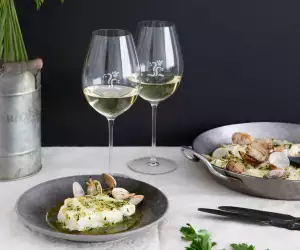
One of the things I love most about Cretan wines is how naturally they fit into the island's cuisine. The flagship white grape, vilana, offers bright citrus, green apple, white peach and delicate floral aromas supported by lively acidity. It's the kind of wine that feels effortless alongside grilled seafood, fresh salads, soft cheese and dishes drizzled generously with local olive oil.
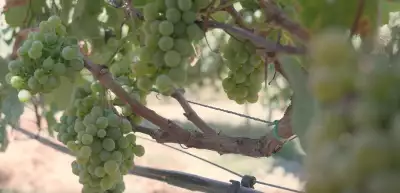
PDO regulations require vilana to account for at least 85 per cent of every white handakas–candia wine, preserving the grape's identity while allowing small additions of other indigenous varieties, including vidiano, thrapsathiri and athiri, to contribute texture and complexity. In some wines, assyrtiko also plays a supporting role, adding freshness and structure while still allowing Crete's own personality to shine.
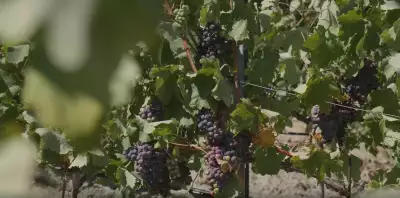
The reds tell a different but equally compelling story. Kotsifali brings generous red fruit, ripe cherry and soft spice, while mandilaria contributes colour, tannin and structure. Together they create balanced wines that feel equally comfortable alongside grilled lamb, slow-cooked meats, roasted vegetables and traditional Cretan dishes.
They're wines that belong at the dinner table.
More than a label
European wine labels can sometimes seem intimidating, but PDO is one designation worth understanding. Protected Designation of Origin guarantees that every bottle comes from a defined geographical area while following strict production regulations governing grape varieties, yields and winemaking practices. Rather than limiting creativity, these rules preserve authenticity, ensuring that each wine genuinely reflects its place of origin.
In handakas–candia, those regulations help protect centuries of local winemaking tradition while encouraging producers to showcase indigenous grapes that cannot be replicated anywhere else.
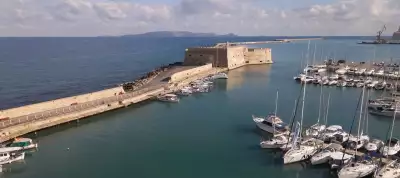
Ancient history meets modern winemaking
Crete's wine culture stretches back more than 4,000 years, yet today's producers are combining that remarkable history with modern precision.
Temperature-controlled fermentation preserves delicate aromatics in white wines, while carefully managed extraction allows reds to maintain freshness alongside structure. Wines labelled Réserve and Grande Réserve undergo additional ageing before release, reflecting the region's commitment to quality. The result is a collection of wines that feel unmistakably modern while remaining deeply rooted in their heritage.
Why Crete deserves a place on your table
As more wine lovers look beyond familiar international varieties, Crete offers something refreshingly authentic. These wines don't imitate chardonnay or cabernet sauvignon. They proudly express their own identity through indigenous grapes, Mediterranean landscapes and thousands of years of history.
For me, that's what great wine is all about.
Every bottle tells the story of a place, and few places have a story as rich as Crete. Whether you're planning your next Mediterranean adventure or simply looking to explore something new at your local wine shop, PDO Handakas–Candia is a region that deserves your attention.
Sometimes the most exciting discoveries are the ones hiding just beyond the obvious.
To learn more, visit candiapdo.gr