Brought to you by

We love a good comeback story, and the wines of Alentejo have one worth raising a glass to. The vines of this southern Portuguese region followed a long, tangled path, surviving centuries of upheaval thanks to a lot of resilience. Alentejo’s tradition of fermenting wine in ancient clay vessels stretches back 2,000 years, but it almost disappeared.
It’s believed that the Phoenicians first brought vines to the region, before the Romans ramped up wine production in the 2nd century BC, fermenting and storing it in clay amphorae. Those talhas clay vessels remain a hallmark of Alentejo winemaking today.
Islamic rule from around the 8th century, followed much later by 20th-century political regimes that prioritized other crops, pushed Alentejo wine production to the sidelines. But you can’t keep one of Portugal’s oldest wine regions down forever.
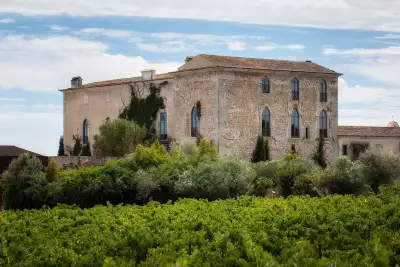
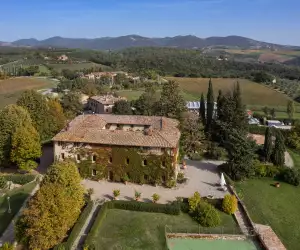
Vineyards surround Fitapreta’s home at the medieval Paço do Morgado de Oliveira, a 14th-century estate just outside Évora
By the 1980s, European investment and tighter quality controls helped kick-start a renaissance. The result today is a region where heritage blends, ancient techniques and modern winemaking all happily share the same bottle, giving Alentejo wines a character that you can taste in every sip.
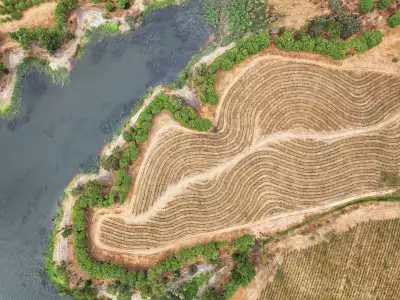
Herdade dos Grous is a wine estate in Albernoa, Beja, in Portugal's Alentejo region
Wines of Alentejo: Clay All day
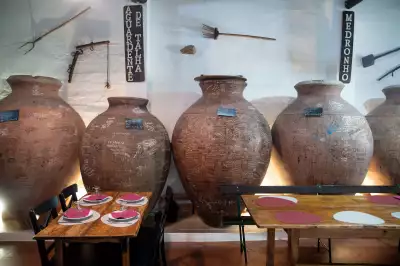
Honrado Vineyards in Alentejo, Portugal makes natural wine using a 2,000-year-old Roman clay amphora method
Before stainless steel existed, there was clay. Alentejo's winemakers have been fermenting grapes in large clay vessels known as talhas for over 2,000 years, a winemaking tradition dating back to Roman times.
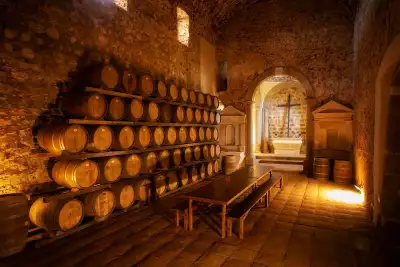
At Fitapreta, French-oak barrels line the chapel of the 14th-century Paço do Morgado de Oliveira, just outside Évora
Crushed grapes are added to the talha, fermentation occurs naturally, and then the solid parts settle at the bottom, acting as a natural filter as the wine is drawn from a tap near the base. Today, Alentejo winemakers continue this ancient tradition, proving that the best things never go out of style.
Wines of Alentejo: Sustainability & Biodiversity
In Alentejo, sustainability isn't a buzzword. Greener harvests are protecting the future of its wines.
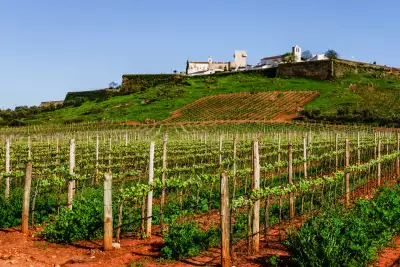
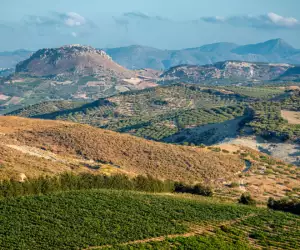
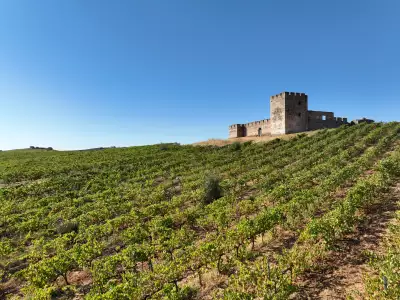
Vines rooted in Alentejo’s distinctive red soils stretch toward Estremoz
The wines of Alentejo aren't just delicious and storied; they're also using biodiversity and sustainable viticulture to shape the future of the region's grapes. With Alentejo's hot, dry climate, winemaking depends on healthy soil, reliable water sources and strong ecosystems. Far from sustainability being simply a nice-to-have, protecting these natural resources means preserving the region's wine for years to come.
The pioneering, voluntary Wines of Alentejo Sustainability Programme (WASP) launched in 2015, helping growers and wineries continually improve the way they operate. WASP, the first sustainability program of its kind in Portugal, goes far beyond environmental measures; producers are assessed for social and economic criteria, from water and soil management to biodiversity and local communities.
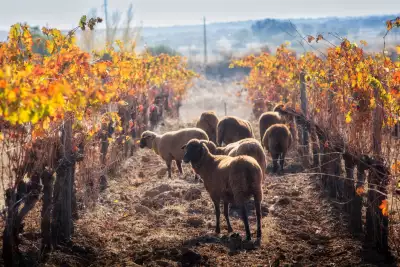
Sheep roam in the vineyards at Herdade de São Miguel, a family-owned wine estate in Alentejo, Portugal
It’s not just slapping on a green certification: the program’s exacting standards mean that any winery awarded WASP certification has reached its highest “Developed” level across 18 areas of assessment, before undergoing independent certification.
Practically, that can mean everything from planting cover crops that help prevent soil erosion and encourage biodiversity to protecting habitats, conserving water and turning to alternative energy sources. These practices help vineyards work with Alentejo’s naturally challenging conditions, rather than against them, while keeping the land healthy for future harvests.
Ultimately, what’s good for the vineyard is good for your wine glass. By protecting the soils and ecosystems that make Alentejo distinctive, sustainable viticulture helps preserve both the character of the region and the terroir expressed in every bottle.
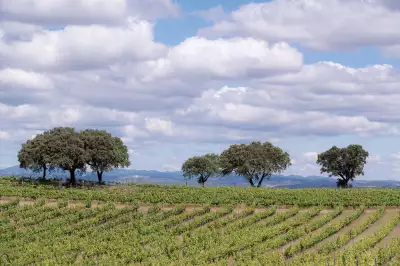
A view from Adega Mayor, a winery located in Campo Maior, in Alentejo, Portugal
Wines of Alentejo: Sustainable Wineries
From organic vineyards to solar energy and biodiversity initiatives, these Alentejo wineries are taking a more sustainable approach to winemaking.
HERDADE DO ESPORÃO
All vineyards at Herdade do Esporão are certified organic, helping protect soils, encourage biodiversity and produce grapes that require less intervention.
HERDADE DO ROCIM
This winery pairs ancient winemaking with modern sustainability. In addition to its talha wines, Herdade do Rocim monitors water use, encourages indigenous flora and harnesses solar energy.
HERDADE DA MALHADINHA NOVA
Wine is just a part of the story at Herdade da Malhadinha Nova, where native livestock and estate-grown produce also help support biodiversity across the property.

Wines of Alentejo: Gastronomy & Food Pairing
Alentejo is a haven for foodies, with signature produce that demands a glass of wine alongside it.

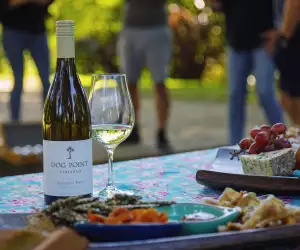
A tasting at Fitapreta pairs Alentejo wines with savoury bites
They say that what grows together, goes together, so it's no surprise that Alentejo's verdant, world-class wine region is also a haven for food lovers. The culinary heart of southern Portugal is home to signature foods with a terroir as distinctive as its centuries-old winemaking traditions.
Alongside cork trees and vineyards, Alentejo boasts olive trees that date back 2,000 years, producing extra virgin olive oil that is drizzled liberally on everything from bread and vegetables to migas, a rustic dish of stale bread crumbs, garlic, olive oil and pork. The region is also famed for its raw sheep's milk cheese and porco preto, prized Portuguese Iberian black pork traditionally raised on acorns.
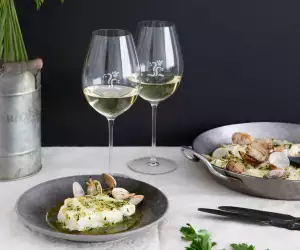
Even if you can’t make it to Alentejo, you can still enjoy its wines alongside the flavours that make them sing at home. Fruit-forward reds made with varieties like Aragonez have the body and spice to stand up to pork, grilled meats and aged cheeses, while vibrant whites such as Antão Vaz are well suited to crisp salads, seafood and dishes with generous amounts of olive oil.
Build an Alentejo-inspired spread at home that celebrates the versatile, indigenous wines. Can’t make it to Portugal just yet? Get a taste of Alentejo with these bottles available closer to home.
Wines of Alentejo: Fresh White Wines
White wines from Alentejo are fresh, crisp and vibrant, despite the region’s warm Mediterranean climate. Diverse terroirs, altitudes and local conditions all help to preserve their refreshing acidity and aging potential. We spotlight two standout bottles made with indigenous Roupeiro, Rabo de Ovelha and Arinto grapes.
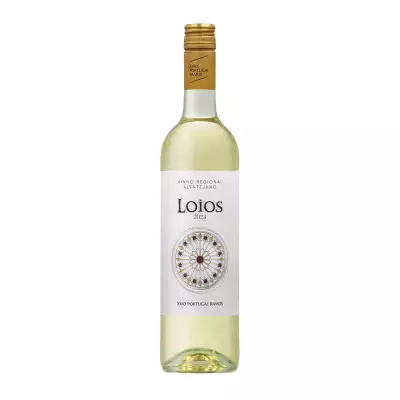
If you're looking for a fresh, daytime white, this mineral-forward wine from Alentejo hits the mark. The grapes for Loios White are hand-harvested in the early morning, preserving their freshness. Expect notes of limes and green apple on the palate.
LCBO #92114
$10.90
Pairing
Enjoy this white with lighter dishes, like fresh salads, white fish or brunch fare.
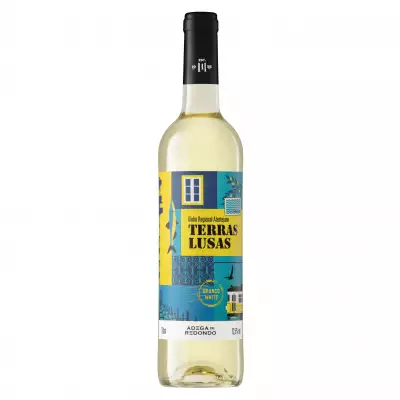
Pale yellow in colour and intense with tropical and citrus aromas, Terras Lusas White is a crowd-pleaser. Made using a blend of Roupeiro, Rabo de Ovelha and Arinto grapes, it has just a touch of spice to balance out the fruitiness.
LCBO #33320
$10.55
Pairing
Grilled fish, fresh green salads, sushi and chicken on the BBQ all pair nicely with this zippy white.
Wines of Alentejo: Expressive Red Wines
Alentejo's red wines are rich, full-bodied and fruit-forward, with delicate tannins. Shaped by indigenous grape varieties, diverse soils and altitudes, and a winemaking tradition that stretches back for thousands of years, they're distinctly Alentejan. Sun-drenched, vibrant and bursting with flavour, these are the dinner party wines you'll be reaching for all season long.
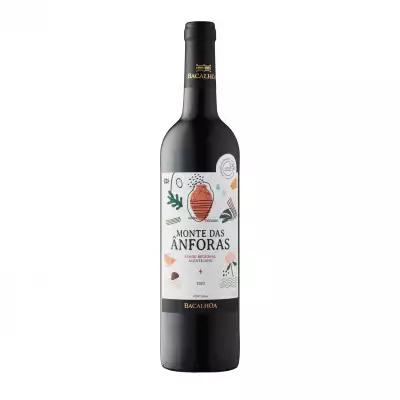
Produced using traditional grapes grown in the region, this wine uses stainless steel fermentation to preserve its fruity aromas. Expect notes of fresh red fruit with smooth and spicy flavours on the palate.
LCBO #37227
$13.05
Pairing
Serve this aromatic red with red meats and hearty vegetable dishes.
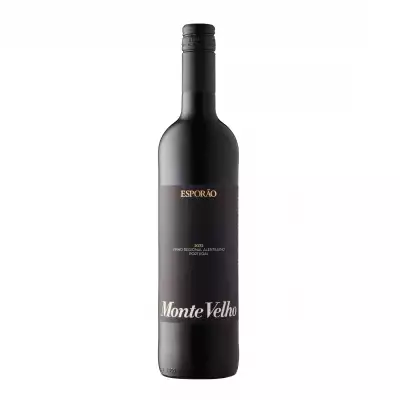
Full-bodied and full of character, this Alentejo red layers ripe black fruit with warm spice and a deep ruby hue. Smooth on the palate, it balances richness with a pop of freshness that keeps each sip lively.
LCBO #30868
$12.95
Pairing
Pour it alongside grilled steak, roast beef or other hearty dishes for an easy fall pairing.
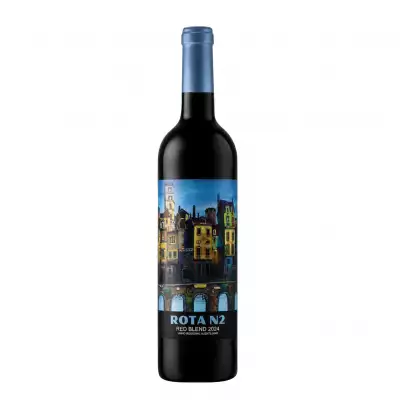
This red wine was named after the longest road in Portugal, a subtle wink to the journey through the country's rich wine regions. Soft and fruity with a silky mouthfeel, this is a wine to savour.
LCBO #43763
$9.55
Pairing
This is best paired alongside red meats, and mature cheeses with a bit of heft.
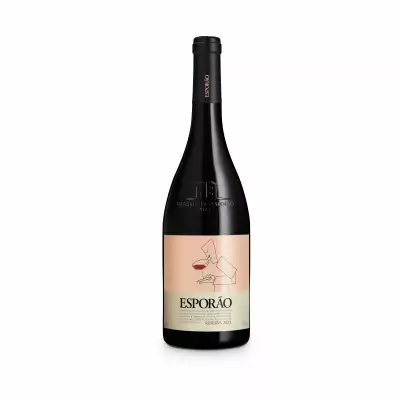
Each vintage rolls out a new label featuring works from some of Portugal's most talented artists. The wine itself is packed with notes of red fruit, blood orange, cinnamon and portabello mushrooms.
LCBO #606590
$28.95
Pairing
Pair it with roast beef, root veggies, lamb burgers or smoked ham.