In Association with

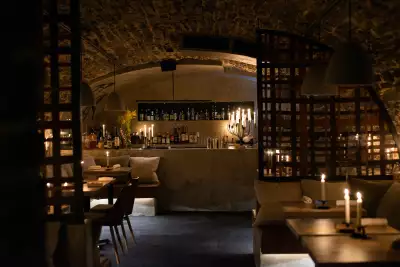
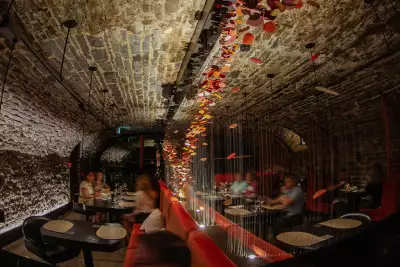
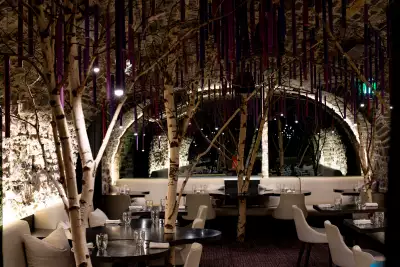
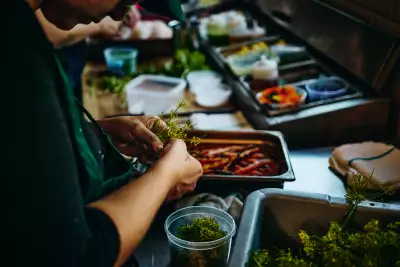
I’M SITTING AT a marble countertop in a kitchen that feels like it should be in an episode of Chef’s Table. It’s a Wednesday afternoon. Tanière³ is closed today, but you wouldn’t know it from the flurry of activity that’s whirling around me. Here, inside Québec’s only two-star Michelin spot, chefs are hard at work, prepping dishes, tweezing tiny flowers I don’t know the names of and speaking in hushed tones inside the historic underground vaults of Old Québec.
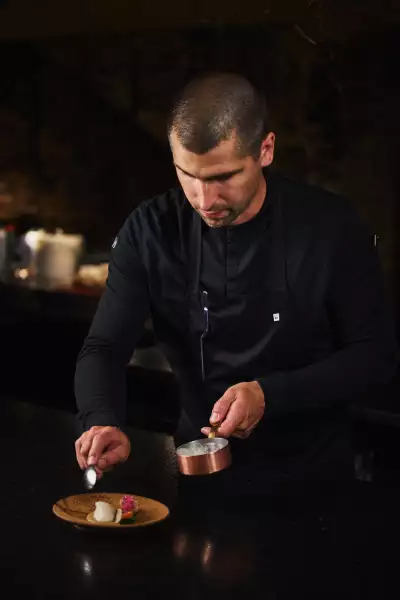
While I can’t experience the full delights of the blind tasting menu of up to 20 courses, François-Emmanuel Nicol — the immensely talented head chef and co-owner at Tanière³ — insists on giving me a taste.
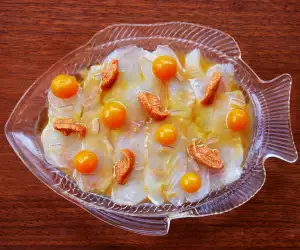
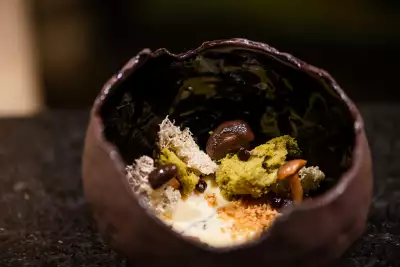
He shucks a live scallop and garnishes it with a shockingly pink pickled rose petal. I take a bite. Nicol, who has the demeanour of a surgeon while at work, breaks into a grin from ear to ear when I tell him it’s one of the most delicious things I’ve ever eaten.
“From day one, the idea was to really focus on wild ingredients,” says Nicol, who was born in the Gaspésie to Breton parents. “As a kid, I would spend a lot of time in the forest.”
Simon Ferland
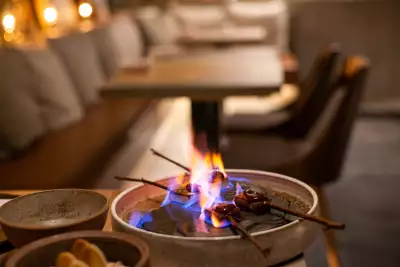
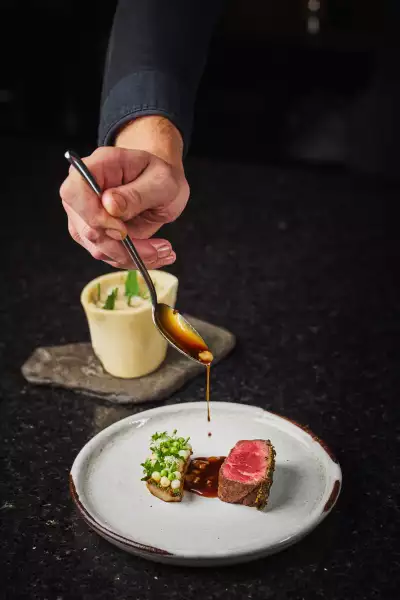
Though Québec’s coastline supplies renowned lobster, crab and cold-water fish, much of the innovation is happening inland — in forests, fields and freshwater.
Buying local and shortening the food supply chain might feel newly urgent to Canadians in light of growing tensions with the U.S., but it has long been embedded in the Québécoise way of eating. Though the arrival of the Michelin Guide in 2025 undoubtedly caused a stir, some believe the story is less about who did — and didn’t — receive stars, and more about Québec’s food culture finally getting its moment in the spotlight.
aebeauchamp
aebeauchamp
“I’m not at all interested in a debate of Montréal versus Québec City,” says Allison Van Rassel — one of Québec City’s most respected food writers — over cortados at deTerroir café in the Saint-Roch neighbourhood. “I want our food stories to be told. We have a really strong history of savoir-faire — that deep French culture that even France no longer has. We cook more traditional French dishes than France does. It tells a lot about how much we care. The true inspiration of our cuisine — whether from First Nations traditions like smoking, or our relationships with producers and the ancestral varieties we use — we haven’t even scratched the surface of our many ingredients.”
For decades, Québec’s culinary reputation has often been reduced to shorthand — maple syrup, poutine and tourtière. But on the ground, it’s clear the fertile landscape holds a far more nuanced identity. Terroir isn’t just a trend; it’s a way of life. Chefs build menus around what grows, winemakers work with hybrid grapes uniquely suited to the climate and artisans revive traditional techniques. The province’s best kitchens are turning inward — toward their producers, seasons and soil.
Five kilometres east of downtown lies Île d’Orléans, often referred to as the garden of Québec. Dany Labrecque, co-owner of Conciergerie du Terroir, picks me up in his black SUV for a tour of the island. One of the first places colonized by the French, the region has deep gastronomic roots. Though you can drive around the entire island in an hour, it has cemented its place as the province’s pantry, supplying Québec City’s top restaurants with everything from blackberries and apples to maple syrup and cheddar cheese.
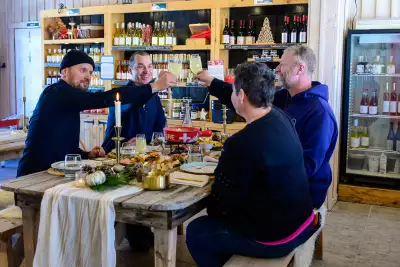
Labrecque drops me off at Domaine-Sainte Famille’s idyllic orchard to sample a selection of sweet and dry wines and ciders, amidst the ancient boughs and fallen apples that litter the grass. He says that I can’t leave the island until I try poutine from Chez Mag, a roadside snack bar that’s been around for decades before it became TikTok famous in 2023 when a video from local influencer Olivier Primeau doubled its customer count.
Since some wait an hour for the gravy-drenched island-grown potatoes, he goes to pick up a box while I soak up some fall rays. When he returns, I can smell the poutine’s rich aroma several paces away. The fresh, hand-cut Île d’Orléans potatoes and “sauce brune” style gravy is textbook Québec, but most importantly, the cheese curds echo in my head with each bite. “If it doesn’t squeak, it’s a no-go for me,” concurs Labrecque, who should know; he has poutine tattooed on his leg.
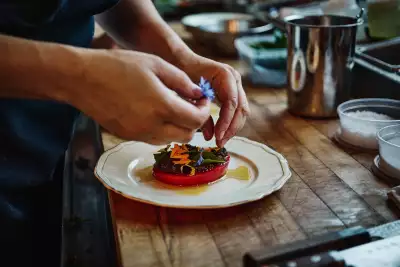
That evening at Melba, a charming 36-seat bistro tucked into the Saint-Sauveur neighbourhood, I experience the kind of ancestral bounty Van Rassel describes. Construction has uprooted the surrounding sidewalks, but once inside, I’m laser-focused on the food. The French restaurant’s seasonal Québec ingredients impress from start to finish — mussel skewers, deep-fried ravioli — but it’s the Tomate à la Provençale that steals the show: a simple, rustic dish of local beefsteak tomato topped with edible flowers and a vivid basil oil that positively sings, in the dulcet tones of Céline Dion.
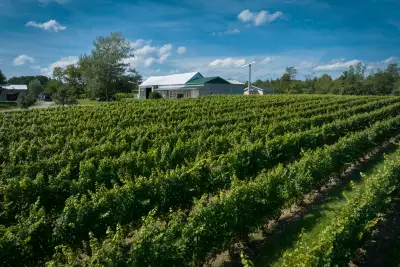
The next day, about an hour and a half outside Montréal, the landscape shifts as we head into Montérégie. Cobbled streets give way to rolling hills, old stone buildings and tall churches capped with spindly steeples. Together with the neighbouring Eastern Townships, the two regions form the heart of Québec’s wine country, home to more than 109 vineyards producing roughly 68 per cent of the province’s wine.
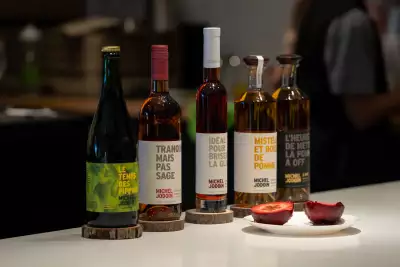
Like Niagara and Prince Edward County, Québec is defined by cool-climate, high-acid, aromatic styles — but with frequent sub-zero temperatures, growers here rely even more heavily on cold-hardy hybrid grapes. Marquette and Frontenac appear again and again on bottles, from natural producers like Vignoble La Bauge to established estates such as Vignoble Camy.
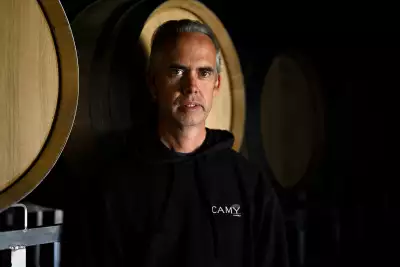
Frédéric Tremblay Camy was a telecom engineer for more than a decade before wine took over his life. After a few tasting courses with his wife, a teacher invited him to help with a harvest. “We started from scratch, from zero,” he says. More than 15 years later, he’s still learning from the land — a mix of soil and gravel that occasionally yields Champlain Sea shells dating back nearly 12,000 years.
As with so much of Québec, the past literally informs the present. Unlike the polished plates in Québec City, the Eastern Townships represent a breeding ground where cooks and creatives can experiment. Culinary tourism is part of the infrastructure here, where vineyards, farm stays and country tables form an ecosystem that allows guests to move slowly, eat seasonally and chat with the people behind the plate.
Camy, whose estate lies in Québec’s Montérégie region, has made a deliberate choice to sell his wines exclusively to restaurants, bypassing the SAQ — the province’s government-run liquor retailer — and specialty shops. Working exclusively with chardonnay, pinot noir and pinot gris, he keeps his focus tight. “We have limited time, money and energy,” he explains. “So we decided to do one thing — sell to restaurants — and do it right.”
Without a tasting room, he clears space in his workshop instead, setting down glasses and bottles between safety goggles and a vice. The wines are Burgundian in spirit — fresh, high acid — but the ancient seabed beneath the vines adds a minerality and limestone depth.
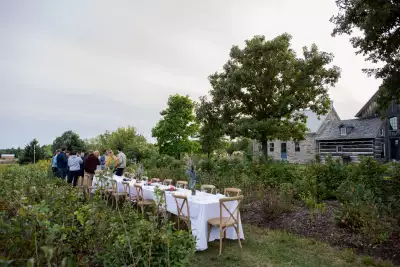
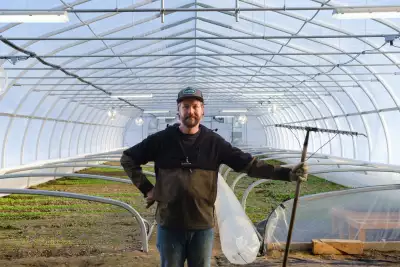
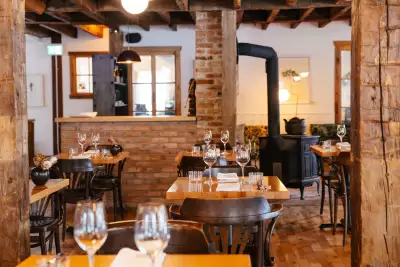
At Espace Old Mill, we’re handed glasses of local wine and encouraged to sip as we stroll through the garden before dinner. The Michelin Green-star restaurant, housed in a 19th-century red-brick building, is the project of farmer and sustainability champion Jean-Martin Fortier. Inside the carbon-neutral greenhouse, jalapeño peppers the colour of fire hydrants hang in neat rows. When dinner arrives, it feels familiar because it is: the five-course tasting menu draws from the 40 varieties of vegetables grown on-site, with everything else sourced within a 50-kilometre radius.
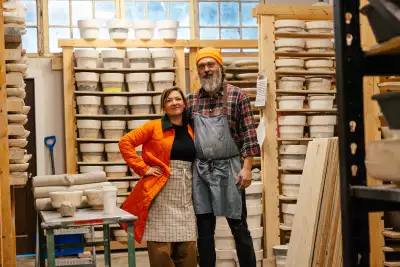
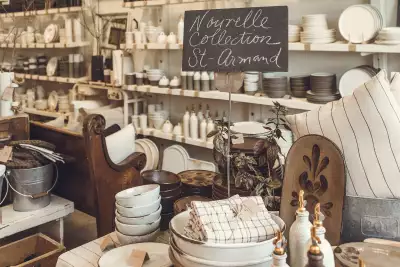
That sense of local pride extends beyond what’s grown or cooked. During last year’s buy-local surge, many Canadian-made homewares I encountered came directly from Québec — perhaps reflecting the strong regional identity shaped by a shared language and culture. It feels fitting, then, that deeper into the Eastern Townships we stop at Atelier Tréma. At first glance, the light-filled café and boutique — all pale wood and nautical buoy accents — seems like a pleasant place for coffee. But many of the mugs and plates lining the shelves are made just steps away in the attached pottery studio.
Ceramicist Marie-Joël Turgeon has worked with clay since her teens. “I wanted to be a painter, but I was never any good,” she laughs. Today, she produces tableware for the shop, local author Louise Penny and many of Québec’s top restaurants. We tour the studio, admiring plates at every stage of their evolution — from raw to glazed to fired. It’s a reminder that the region doesn’t just grow and cook the food; it shapes the vessels it’s served on. Here, terroir extends beyond ingredients to the physical objects of dining.
In Québec, it’s less farm-to-table, more table on the farm. Terroir et Saveurs du Québec has become one of the most important food networks, connecting travellers directly with producers, restaurants, agritourism experiences and gourmet routes committed to sourcing the majority of their ingredients locally. More than a directory, it functions as the region’s champion — driving home the message that Québec’s food culture isn’t defined by restaurants, but by the strength of its ecosystems.
Members must meet rigorous criteria, from sourcing their ingredients to showcasing regional products and traditional savoir-faire. A designation signals to visitors that what they’re tasting goes beyond seasonal — it’s literally a taste of place.
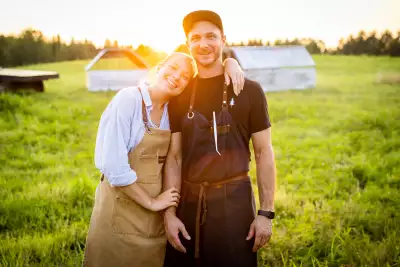
Terroir et Saveurs president, Marie Daudlin, co-owns the agritourism farm Le Mangeoir with her partner, chef Guillaume Asselin — our last stop in the Eastern Townships. My cohort arrives last, and Daudlin whisks away my suitcase so I can join the group for a tour of the farm in Saint-Anicet. We meet muddy pigs, regal cows and chatty goats along the way.
Dominick-Gravel
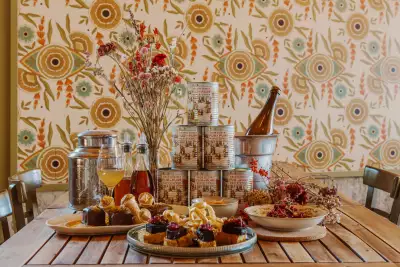
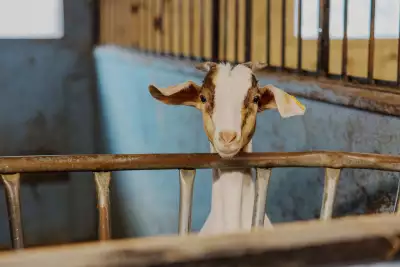
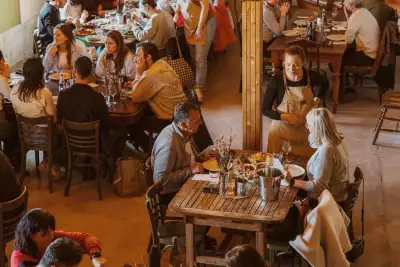
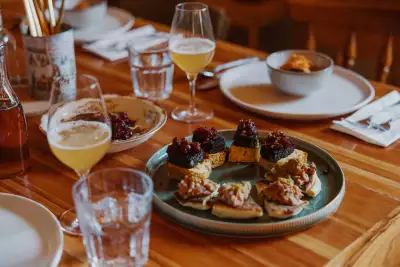
As the only Anglophone, I catch fragments — les débutants — and, amid laughter and hurried translations, piece together the story of a couple who left Montréal behind to learn farm life on the fly. Later, we gather for dinner in the barn, a cacophony of happy voices echoing off the walls, to enjoy a late autumn feast of everything from watermelon to duck, that feels like the farm itself has set the table.
The next morning, rain hammers down, making my coffee in Le Mangeoir’s guesthouse feel even more romantic. Though I don’t want to leave, I’m excited for my final stop: Montréal. I arrive late morning in Old Montréal, drop my bags at my hotel and let my appetite guide me on yet another food tour. I begin at Le Central, one of many cafeteria-style markets popping up across the city at a rate rivalling Toronto’s, opting for a Greek bowl from Yiayia Eleni.
Tarmac
Tarmac
Tarmac
Tarmac
Tarmac
Tarmac
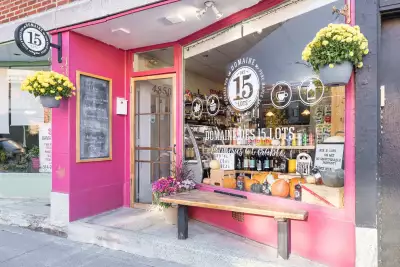
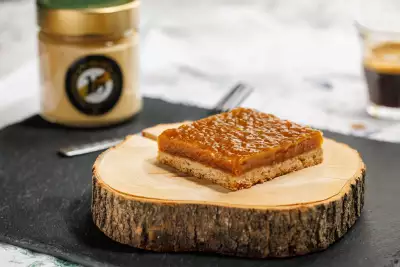
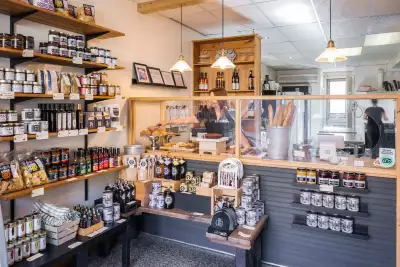
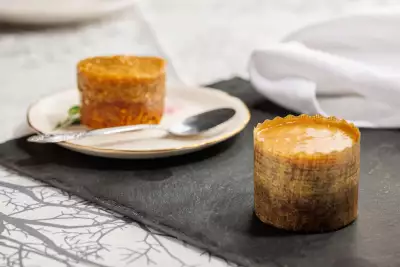
From there, I head to Domaine des 15 Lots. Walking past trendy local wines and truffle chips, it appears to be a specialty shop, but owner Nathalie Simoneau is doing something more unique. The pastry chef — whose résumé includes Québec City’s Laurie Raphaël — leads me through a maple syrup tasting, from light golden amber to herbaceous dark varieties, in every format from liquid to grated sugar loaf.
“I was selling maple syrup to friends and family who told me it was the best,” she says of the products from her family farm, which she and her siblings took over in 2018. Québec produces 90 per cent of Canada’s maple syrup and is the world’s largest producer, so it’s no surprise to find it everywhere: in maple-leaf-shaped glass bottles at Marché Maisonneuve; in bourbon-aged maple syrup at Alambika, a cocktail-centric design favourite; and in chocolate bars infused with miso and toasted rice at État de Choc.
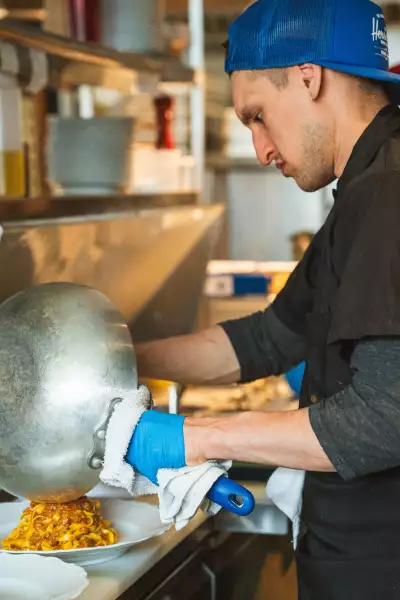
Over in Little Italy, we head to Pasta Pooks, a pop-up turned permanent destination that opened last spring and is considered by many to be the best pasta in the city. “The bank didn’t even want to loan us $2,000, because me and Pooks have always been bums,” laughs Victor-Alex “Coach Vic” Petrenko, who co-owns the past counter with Luca “Pooks” Labelle Vinci.
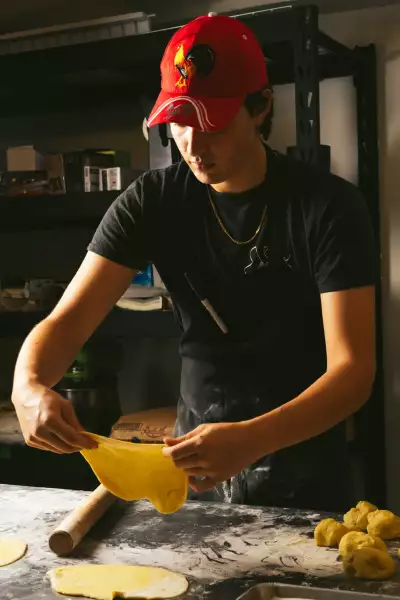
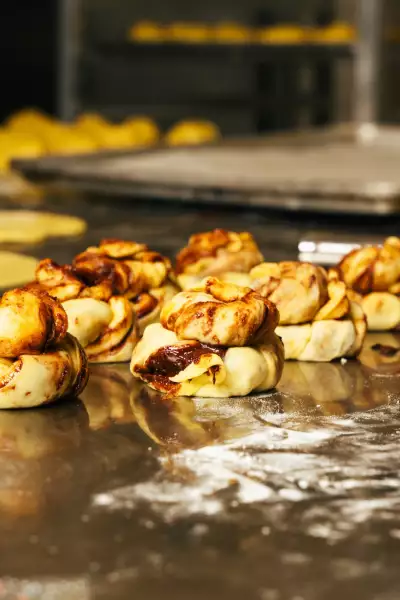
To economize, they started with a corner lot café before adding a terrace to accommodate friends and families in the summer. However, with a lineup outside the door when we arrive, it’s no surprise to learn that they’ve expanded into the space next door, where the team is cutting rows and rows of bright yellow egg pasta into pillows of ravioli. “We know how to make people feel extra special, but sometimes we ruffle some feathers,” says Petrenko of the layers of service that have a certain hierarchy.
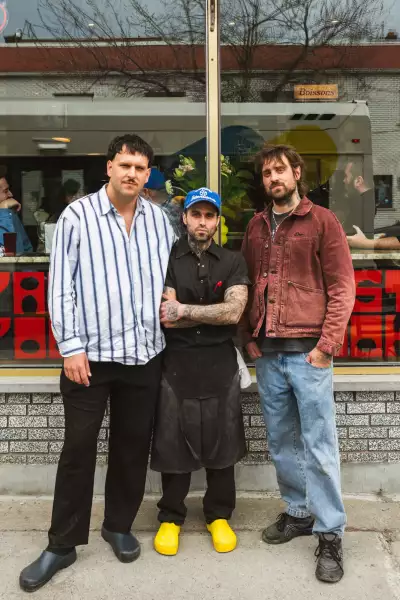
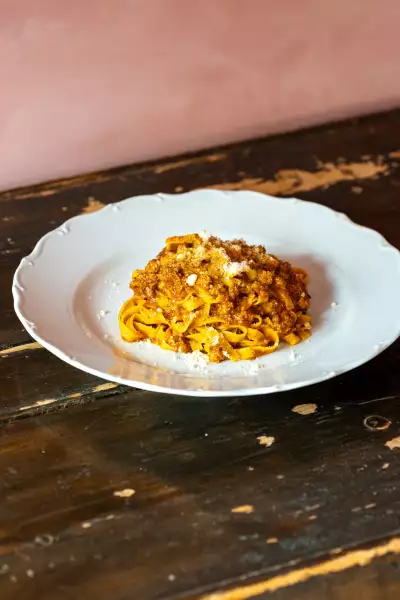
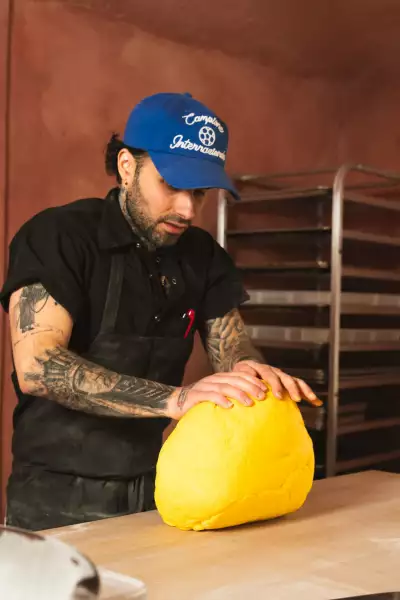
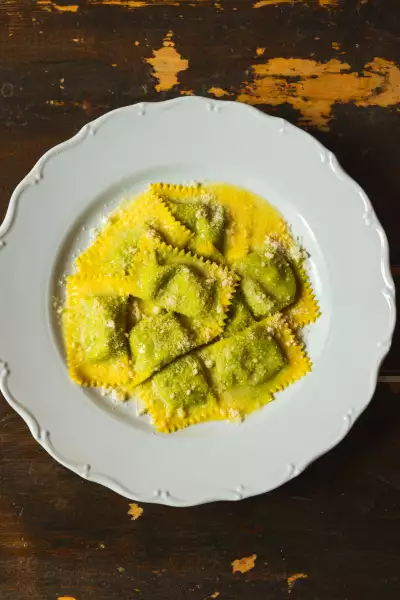
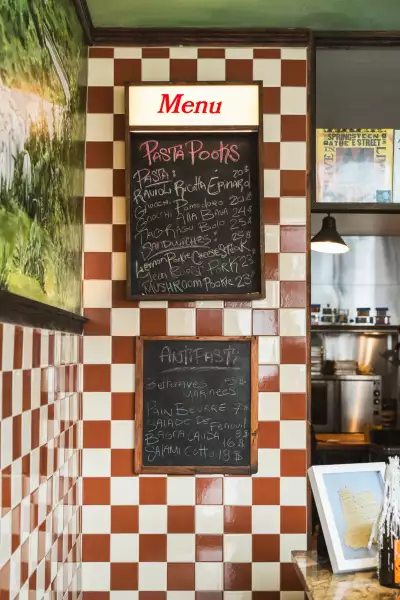
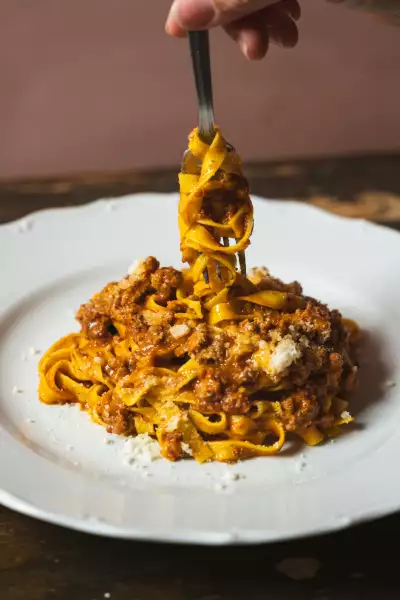
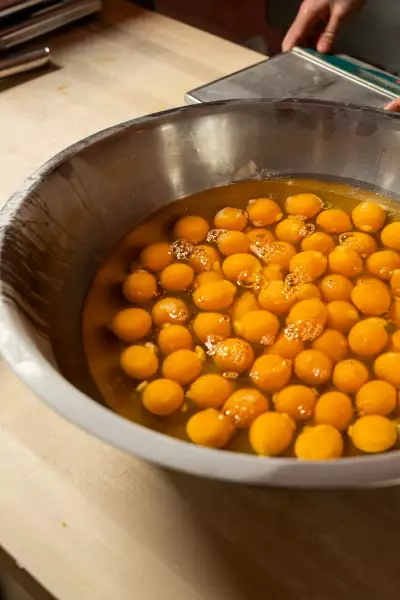
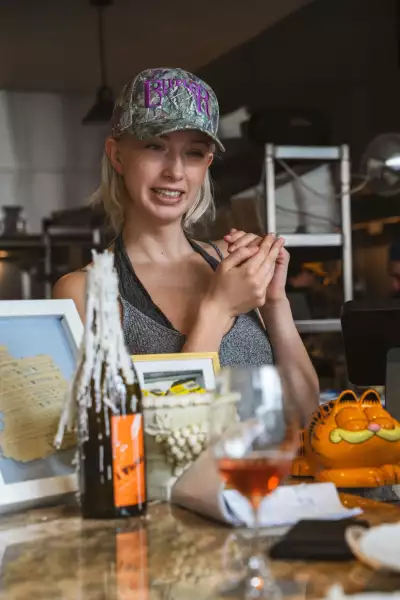
After candidly serving a “shadow menu that works in reverse” to their regulars — white ragu in place of bolognese, a gnocchi in pecorino butter sauce instead of classic tomato — they pushed some buttons. “You’re not supposed to do that in Montréal, but here, we’re all about liking some more than others,” winks Petrenko. Luckily for us, we make the inner circle, enjoying handmade pasta and natural wine on the street and catching the eye of jealous dogwalkers who pass by.
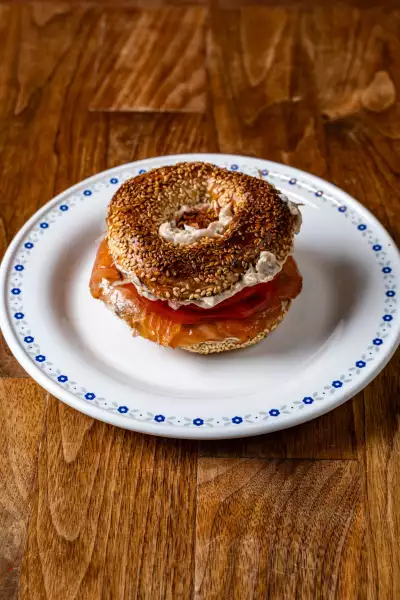
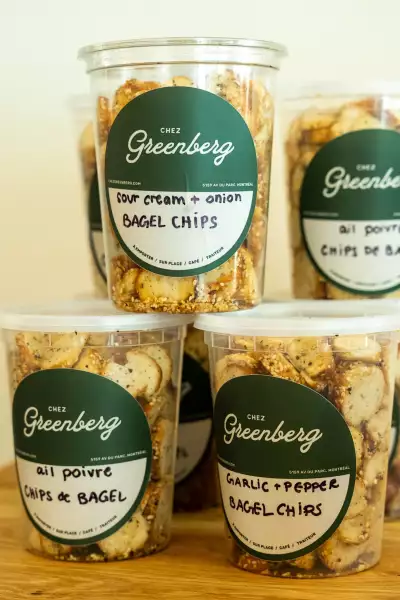
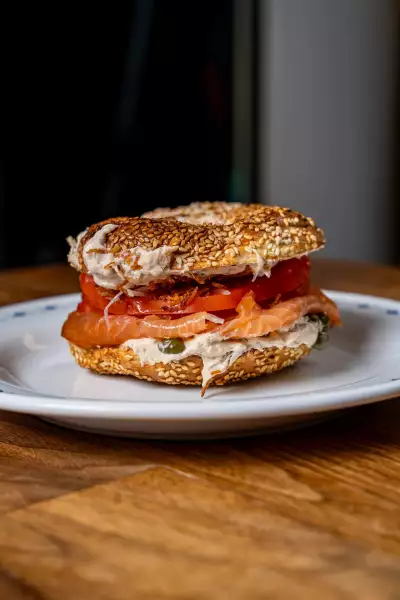
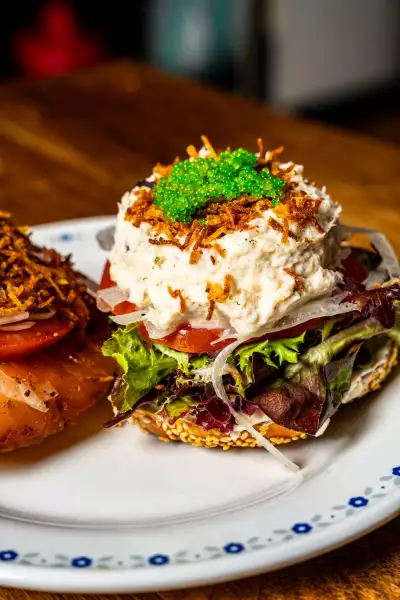
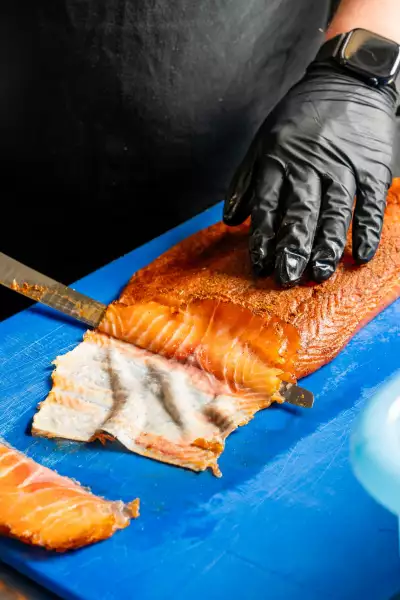
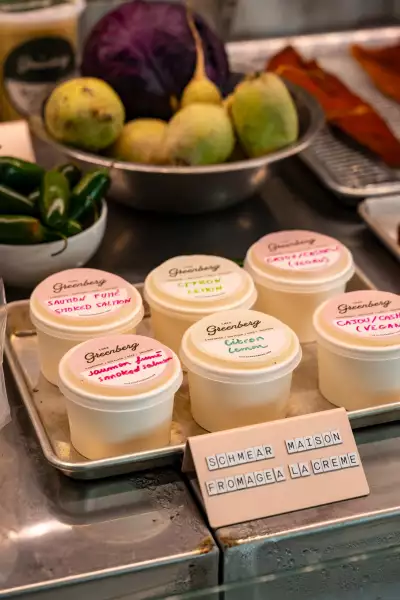
With a few hours left before my flight, I head to Chez Greenberg, a Jewish deli in Mile End known for its coffee, bagel sandwiches stacked with wafer-thin smoked salmon and a menu of Ashkenazi comfort food. The space itself feels deeply personal: the walls are lined with family artwork and photographs of Jake Greenberg with his grandmother — the beloved Zaidie behind Montréal’s iconic smoked salmon — grounding the room in memory.
But Chez Greenberg is also quietly pushing Montréal’s hyper-local ethos forward. The project is a joint venture between Greenberg and Daniel Feinglos of Agriculture du Coin, an aquaponics farm and retail shop just around the corner on Laurier. Some of the produce served here won’t just be local, it will be grown on-site.
“The intent is to create something where it’s not even farm-to-table,” Feinglos says. “The farm and the table are almost the same thing.” Right now, the team produces small batches of salad greens, and next door on Avenue du Parc they’ve already opened an urban farm — though it isn’t yet open to the public. The goal is a closed-loop aquaponics system producing rainbow trout alongside leafy greens, herbs and edible flowers, all within the neighbourhood.
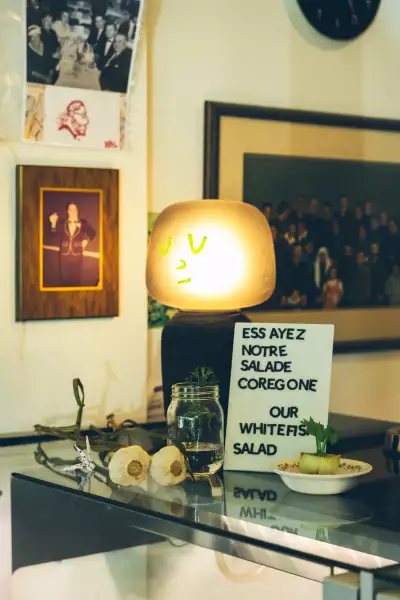
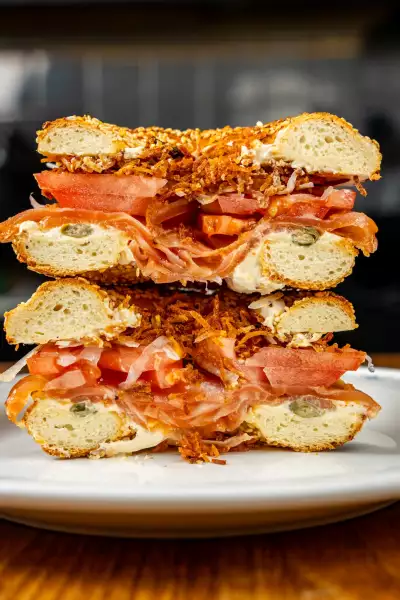
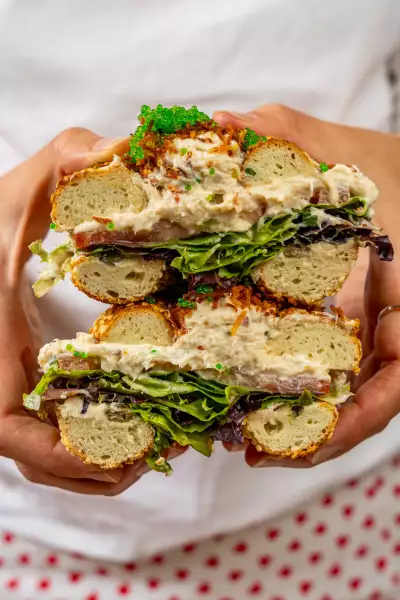
For Greenberg, the project is about continuity as much as innovation. “I want people to walk in these doors and feel like they’re entering into my home,” he tells me, gesturing to the photographs on the wall. Greenberg’s grandparents opened the doors at a store up the street called Waxman’s in 1927 and it’s this sense of longevity he yearns for in his own operation. “It embodies the family component of our heritage — where we stem from, who we are, and what our direction is.”
Feinglos, meanwhile, is focused on the broader implications. Growing local, he says, isn’t about having land, time or a desire to get your hands dirty — it’s about intention. For him, the issue goes beyond sustainability to something more urgent. “It’s a question of national security,” he says. “To what extent should we be reliant on other places in an increasingly uncertain world?”
Montréal is often cited as a world capital of urban agriculture, considered in some ways to be ahead of cities like London, Paris, New York and Toronto. At Chez Greenberg, those global ideas land gently: in a Mile End deli, surrounded by family photos, over a delicious bagel that connects past and future in a single bite. It’s the last link in a food cycle that runs from Montréal’s gardens to its tables.