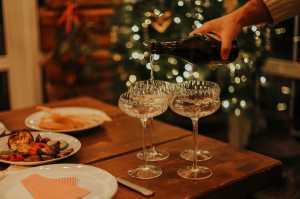
Name a sound that's more iconic than the pop of a sparkling wine cork — we’ll wait. With that single burst, both everyday stress and routine seem to vanish in a fizz of celebration. And while we might associate bubbles with modern luxury, sparkling wine has been delighting drinkers since the late 1600s, in both England and France.
But what really separates champagne from cava and crémant from prosecco? To demystify the sparkle, we chat with Emma Garner, head winemaker at Trius Winery and Thirty Bench in Niagara. A pioneer in Canadian winemaking, Garner uncorks the secrets behind the bubbles — from how sparkling wine is crafted to the methods and lingo that define it.
This time around, step confidently into hosting season with tips on how to store, pour and pair your bottles. After all, the only thing better than bubbles is knowing how best to enjoy them.
Sparkling wine 101

Emma Garner, head winemaker at Trius Winery and Thirty Bench

Emma Garner, head winemaker at Trius Winery and Thirty Bench
How is sparkling wine made?
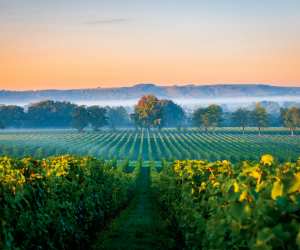
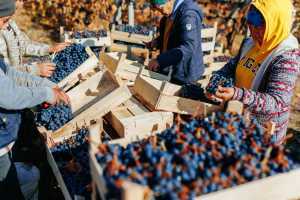
The process begins in the vineyard with fruit selection. “We're looking for wines that have relatively low Brix [a measurement of sugar content], relatively high acid and fairly neutral flavour,” says Emma Garner. Grapes for sparkling are harvested earlier than those for still wines to preserve that balance.
A primary fermentation turns juice into a still base wine, which may be blended with reserve wines for consistency. The sparkle comes from tirage [secondary fermentation]. Sugar and yeast are added to the base wine, creating carbon dioxide (CO₂) that becomes trapped inside, producing that lovely effervescence.
What makes wine sparkle?
During the fermentation process, yeast consumes sugar and releases CO₂, which dissolves into wine. “Since CO₂ is a byproduct of fermentation, it doesn’t have anywhere to go, so it goes back into the solution,” explains Garner. Once the bottle is opened, the trapped gas is now free, which results in the cascade of bubbles that sparkling wine is known for.
What are the different methods?
The Traditional Method
(Méthode Champenoise) The traditional and charmat method are the two most common approaches, though others — like the ancestral and transfer methods — are also used to create distinctive sparkling styles. Champagne is made using the traditional method, with the second fermentation carried out inside the bottle.
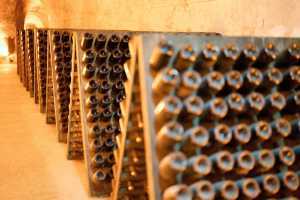
While champagne can only be made in the Champagne region of France, there are plenty of other excellent sparkling wines made using the traditional method in top-notch grape-growing regions around the world. “The bubbles that are created through that kind of fermentation are the ones considered the highest quality, the finest,” says Garner. Wines aged on the lees — the spent yeast from fermentation — develop toasty, complex flavours.
The Charmat Method (Tank Method)
These wines undergo the second fermentation in large pressurized tanks. This produces fruit-driven sparkling wines like prosecco. The bubbles are typically larger, with less yeasty complexity. “It’s fresh, not simple, but cheerful. It's more fruit-driven, as opposed to the tertiary characteristics that you get from long-term aging.”

What are the different types and regions?
Plenty of factors can influence the taste, texture, complexity and price of sparkling wine, but “it's mainly derived from the grape variety and the region they are produced in,” says Garner.
Sparkling wines are often named for the region they’re from. Cava is primarily made from macabeo, xarel·lo and parellada grapes, and is predominantly made in Catalonia, Spain.
Italy produces prosecco, typically from the glera grape, across nine provinces, and lambrusco, a frizzante (lightly sparkling) red wine in the Emilia-Romagna region. “Lambrusco tends to have a little more residual sugar — it’s fruity,” and uses varieties including lambrusco grasparossa and lambrusco salamino.
Garner believes that exploring different styles of sparkling wines is an excellent way to try a champagne-style wine at non-champagne prices. “Crémant is made in the traditional method as well, but not from the Champagne region.”
Crémant de bourgogne, for example, is usually made from chardonnay and pinot noir, sometimes with aligoté. “It's a traditional bottle-fermented sparkling wine, similar to what we would be doing in Ontario. But again, because it's not from Champagne, they can't call it that.”
Sparkling wine lingo
Mousse:
The foam or carbonation in the glass. “When it’s very fine … it’s creamier and smoother on your palate.”
Lees:
Dead yeast cells from fermentation. “It doesn’t sound very romantic ... but it gives it that bread-like characteristic.” Dosage: A small addition of wine and sugar after disgorgement to adjust sweetness.
Riddling:
The traditional method of rotating bottles to collect yeast sediment in the neck. Is sparkling wine sweet? Sparkling wines range from bone-dry to dessert-sweet, but the terms on the label can be surprising. “Brut Nature is the driest ... there’s no sweetener in the dosage,” says Garner. Just above that is Brut, the most common style — crisp and dry, but still approachable with food.
Is sparkling wine sweet?
Sparkling wines range from bone-dry to dessert-sweet, but the terms on the label can be surprising. “Brut Nature is the driest ... there’s no sweetener in the dosage,” says Garner. Just above that is Brut, the most common style — crisp and dry, but still approachable with food.
Confusingly, Extra Dry is a little sweeter than Brut. Think of it as soft and fruity, often found in prosecco. From there, wines labelled Dry (or Sec) and Demi-Sec move further up the sweetness scale, making them better partners for desserts. At the very top sits Doux, an indulgent style that drinks more like dessert itself.
How should sparkling wine be served?
Temperature matters: too cold and aromas are muted, too warm and the wine may foam. “From an aromatic standpoint, it needs to be around that 10 to 12 C mark — still cool, definitely chilled, but not so cold that the aromatics are really closed.”
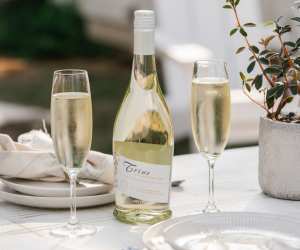
Open it chilled to avoid gushing, and use a champagne stopper to preserve bubbles. Glassware can also affect enjoyment. “I don’t love the coupe; I feel like I lose my bubbles too much. I love a flute — the sparkling glass I have is almost a coupe, but then it curves back in again. It concentrates [the aromatics] back to your nose and palate.”
How do you store sparkling wine?
Keep unopened bottles in a cool, dark place. After opening, reseal with a champagne stopper and refrigerate. Sparkling wine is best consumed soon after opening, as bubbles don’t stick around forever.

What should you pair it with?
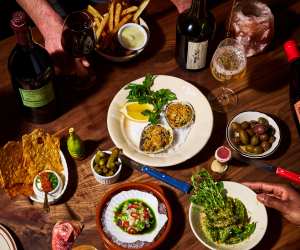
Sparkling wine is famously versatile with food, so there are many ways to pair it at your next dinner party. “If I’m eating oysters, I always want a glass of dry sparkling.” Cheese is another great match: “Think of a brie, or a camembert, where [the sparkling] can really cut through the creaminess.”
Above all, experiment. The high acidity of sparkling wine makes it a match for everything from rich food to desserts. “Don’t be intimidated — keep enjoying those bubbles and continue to explore the world of wine.”