You don’t have to look far for great beef. With vast grasslands, high standards of animal care and generations of farming knowledge, Canadian beef is both delicious and deeply rooted in our national identity. From grass-fed Ontario cattle raised by fourth-generation farmers to Alberta’s iconic ranchlands, cows are an important part of our food chain and our economy.

Cooking Meat by Peter Sanagan, $40, penguinrandomhouse.ca
But it’s a tough time for producers, who are up against climate change, rising costs and shifting consumer habits. That’s why eating — and supporting — Canadian beef matters more than ever. Peter Sanagan of Sanagan’s Meat Locker, who began his career as a chef, is passionate about helping consumers choose the best cut of beef and cook it right.
“We have a diverse population of farmers from all over the world who individually bring excellent experience to the local industry,” says Sanagan. “From 100 per cent grass-fed beef to wagyu and everything in between, consumers can find farmers and producers who are pushing the bar forward in terms of quality and sustainability.”
Sanagan also credits Canada’s climate for building better beef. “Our environment is excellent for raising beef: The changes in seasons mean the livestock walk more and must be resilient and healthy. It also allows for animals to develop fat.”
While inflation has posed a challenge, he says demand hasn’t disappeared. “Consumers in general want to support local farmers. The price of beef has risen over the last decade, which has been a hurdle for sure, but what we are seeing is that customers are still buying good cuts, but eating less of it.”
Sanagan breaks down the most popular — and underrated — cuts with tips to maximize flavour and potential. Plus, you’ll find a handy glossary of terms and questions to ask your local butcher, until the cows come home.
Cuts 101
You’ve heard of flank steak, ribeye and tenderloin, but do you know the pros of each one and when to use them? Here’s a quick primer on how to cook and when to use.
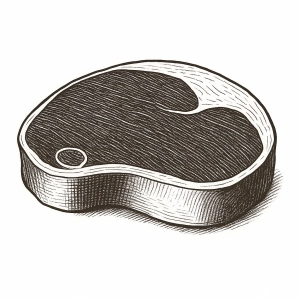
Tenderloin
(from the loin)
Type: Extremely tender and lean.
Best for: Grilling and broiling.
Flavour: Mild with a buttery texture.
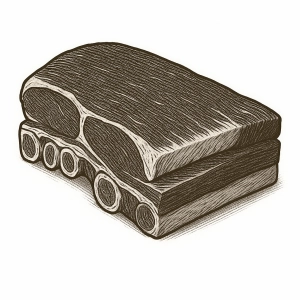
Brisket
(from the breast/lower chest)
Type: Tough and needs long cooking.
Best for: Smoking and braising.
Flavour: Deep, beefy flavour when cooked low and slow.
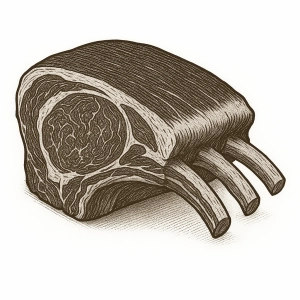
Ribeye
(from the rib section)
Type: Tender and well-marbled.
Best for: Grilling or pan-searing.
Flavour: Rich and juicy due to fat content.
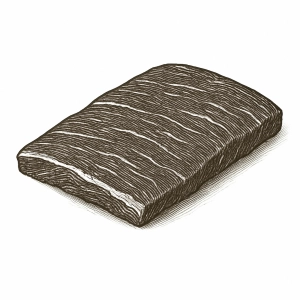
Flank Steak
(from the abdominal muscles)
Type: Lean and fibrous.
Best for: Marinating and grilling, or slicing thin.
Flavour: Bold with a slightly chewy texture.
Lesser-known (and delicious) cuts
Peter Sanagan puts us on to the butcher-approved cuts that deliver big on flavour.
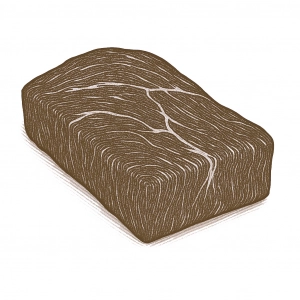
Top Blade Steak
(also from the chuck — includes the flatiron)
Type: Most people know flatiron as a tender, well-marbled cut from the top blade muscle. But if you leave the nerve in and slice across it, you get cross-cut top blade — a different beast entirely.
Best for: “It’s great for grilling — just don’t eat the sinew — or even better, braise it in something aromatic,” says Sanagan. “That nerve breaks down into soft, silky gelatin.”
Flavour: Rich and very satisfying.
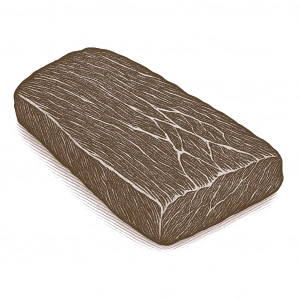
Denver steak
(Chuck, under the shoulder blade)
Type: “A small muscle in the shoulder, these steaks have a bit more chew than a sirloin, but benefit from a ton of juiciness from the fat content,” says Sanagan. “It’s a really nice thick, well-marbled grilling cut and a reasonably priced alternative to loin steaks.”
Best for: “Denver steaks are excellent grilled or pan fried, then sliced thinly.”
Flavour: Juicy and nicely balanced. “One of my favourite, most versatile butcher shop cuts.”
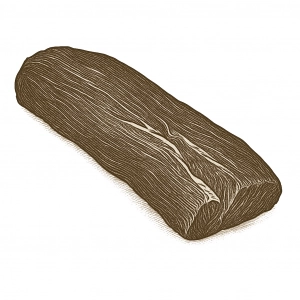
(From the diaphragm, near the plate)
Type: “Hanger steak, a.k.a., onglet, is a muscle that literally hangs from the interior of the rib cage,” says Sanagan. This flavourful cut is called the “butcher’s steak” because they used to keep it for themselves.
Best for: “It is considered an offal, although it is a delicious, iron-rich steak that is best grilled or pan-fried.”
Flavour: Deep and beefy, the hanger steak is one of the most flavourful cuts around.
Tips for Cooking & Preparing
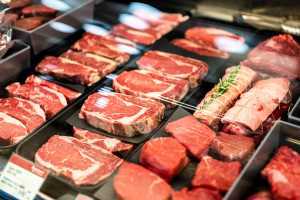
Salt Well
According to Sanagan, salt is underused in most home kitchens. “As a chef, I learned to sprinkle salt on a steak as if it were lightly dusted with snow.”
Season Early
The butcher also recommends seasoning steaks and other roasts early, up to two or three hours ahead of cooking. “This allows the salt to penetrate the muscle, draw out liquid and basically brine the meat for optimum seasoning.”
Go Against the Grain
“I serve all my steaks and chops at home sliced. I do this for two reasons: As the cook, I know that if I slice a steak like a flank against the grain, it will feel very tender in my dinner guests’ mouths. And two, I like the idea of people choosing to eat as much or as little as they want. Not everyone wants a 12-ounce steak for dinner.”
Under Pressure
Sanagan recommends using a sous-vide for thicker cuts of beef like tri-tip, which could be tough even after you cut against the grain. “Because of the length of time that you’re cooking it at that temperature, it really does tenderize the meat while not compromising the cooked doneness.”
Inside the Butcher Shop
Peter Sanagan of Sanagan’s Meat Locker welcomes questions from his customers. Here, he shares some tips on what to look for when you’re next at the butcher.
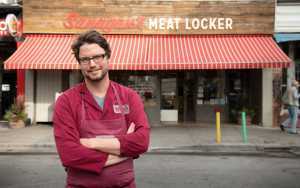
1. Muscle Memory
“The easiest way to think about it is how the muscle was used during the animal’s life,” says Sanagan. “If the cut is a ‘working’ muscle (i.e., a shoulder that holds up the head), that muscle will be tough and will require a long cooking time, preferably in liquid. If the muscle is ‘non-working’ (i.e., the loin along its back), the muscle will be more tender and suitable for quick-cooking recipes.”
2. Cut Above
Sanagan says that the most common mistake is using the wrong cut for the dish. “For example, a good stew requires a bit of fat in the meat or else it will dry out. Brisket and blade are good cuts for this.” Another mistake is using a tougher working muscle for a quick grill. “It will be tough and unappetizing.”
3. Make the Grade
Grading is visible on labels and butcher shop displays, but how closely should we pay attention? “Grading is a way for abattoirs to ensure a level of consistency of marbling in beef carcasses,” says Sanagan. “AAA and prime are considered the top level of Canadian beef, but there’s nothing inherently wrong with lower levels of beef, especially if you are using it for grinding into burgers.”
4. Marble Magic
How important is the role of marbling — a.k.a., the amount of intramuscular fat — in the cut? “Marbling is very important as a visual cue for cooks who want a juicy steak. The most important factors in tenderness are genetics, age and choosing the right muscle. A well-marbled steak from a steer that ate a lot of corn will be sweeter than one that ate more grasses.”
5. Hit a Nerve
Another element to consider is the connective tissue, which is “the nerve in meat that allows the muscles to work together. Some connective tissue (like silverskin) is fairly inoffensive, while others can be quite large. Either way, you want to remove those if you are quickly cooking a cut. If you are braising, the connective tissue can break down and become edible.”
6. Coming of Age
Dry-aging isn’t just a flex. At many butcher shops, certain cuts are aged in carefully controlled environments for 30 to 60 days. “The enzymes naturally present in the meat start breaking down tougher proteins,” explains Sanagan, “which makes the beef more tender.” It’s also what gives dry-aged beef its signature cheesy, popcorn flavour.
Where to Get it
Sanagan’s Meat Locker
Multiple Locations
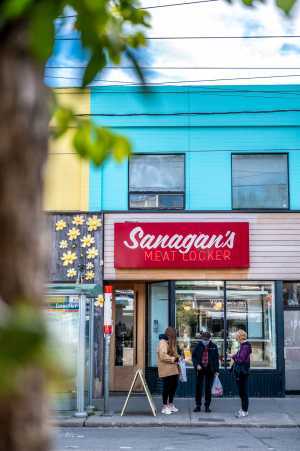
Peter Sanagan launched his full-service butcher shop in Kensington Market in 2009, serving up game meats, pâté and sausages with trademark warmth and care. Today, it’s a beloved Toronto staple with three thriving locations.
Cumbrae’s
Multiple Locations
View on Instagram
Cumbrae’s started out in Dundas, Ontario, in the early 90s, before expanding to Rosedale and Queen Street West. The butcher focuses on farm-to-table transparency, working with a number of Ontario farmers who refuse to use hormones and unnecessary antibiotics.
The Butcher’s Son
Multiple Locations
View on Instagram
Founded by the son of a traditional butcher, this butcher shop has made a name for itself with its high-quality cuts, gourmet prepared foods and emphasis on local sourcing. Head to the Geary Avenue or Midtown location where friendly staff will gladly guide you.