Coffee is no longer just a café staple. It’s showing up on cocktail menus, woven into tasting menus, and inspiring collaborations between baristas, chefs and bartenders. We’ve moved past the first wave (mass-market caffeine), the second (independent cafés and artisanal beans) and through the height of the third (latte art and precision pour-overs). Now, coffee is something else entirely — an ingredient, an experience and a creative connector across Toronto’s hospitality scene.
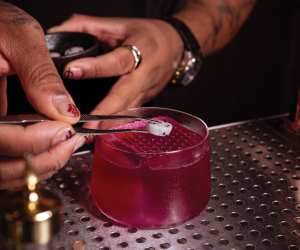
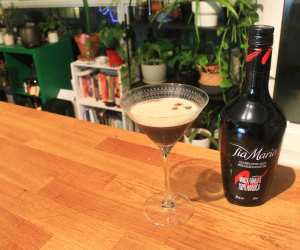
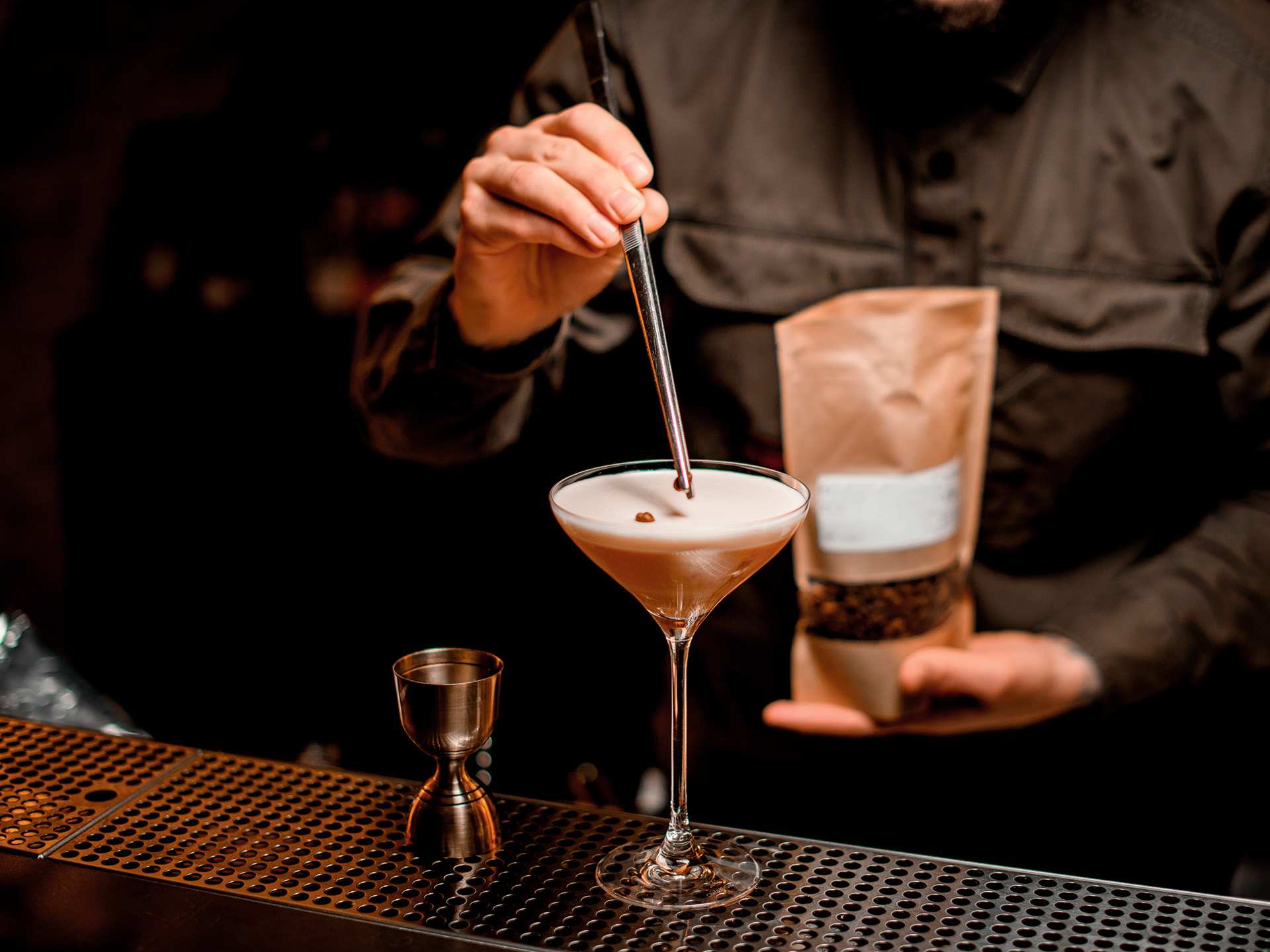
On any given night at Public Gardens on King West, trays of espresso martinis are passed around like appetizers. The bar has gone all-in with a dedicated menu featuring nine variations, including my personal favourites: a Raspberry Espresso Martini made with freeze-dried berries, and a Dulce de Leche version layered with dark rum, caramel and salt. Coffee has officially entered the cocktail conversation — and it’s thriving.
“There’s been a growing dialogue between baristas, chefs and bartenders, especially as coffee steps out of its traditional context and into the culinary spotlight,” says Kevin Yip, Canada’s National Latte Art Champion and barista at 10 DEAN, a café-bar hybrid. “We’re seeing chefs bring baristas into kitchen tastings to understand extraction, acidity and roast profiles — the same way they approach wine or fermentation.” He adds, “Coffee is wildly dynamic. It has one of the most complex aromatic profiles of any ingredient. It also plays well with others.”
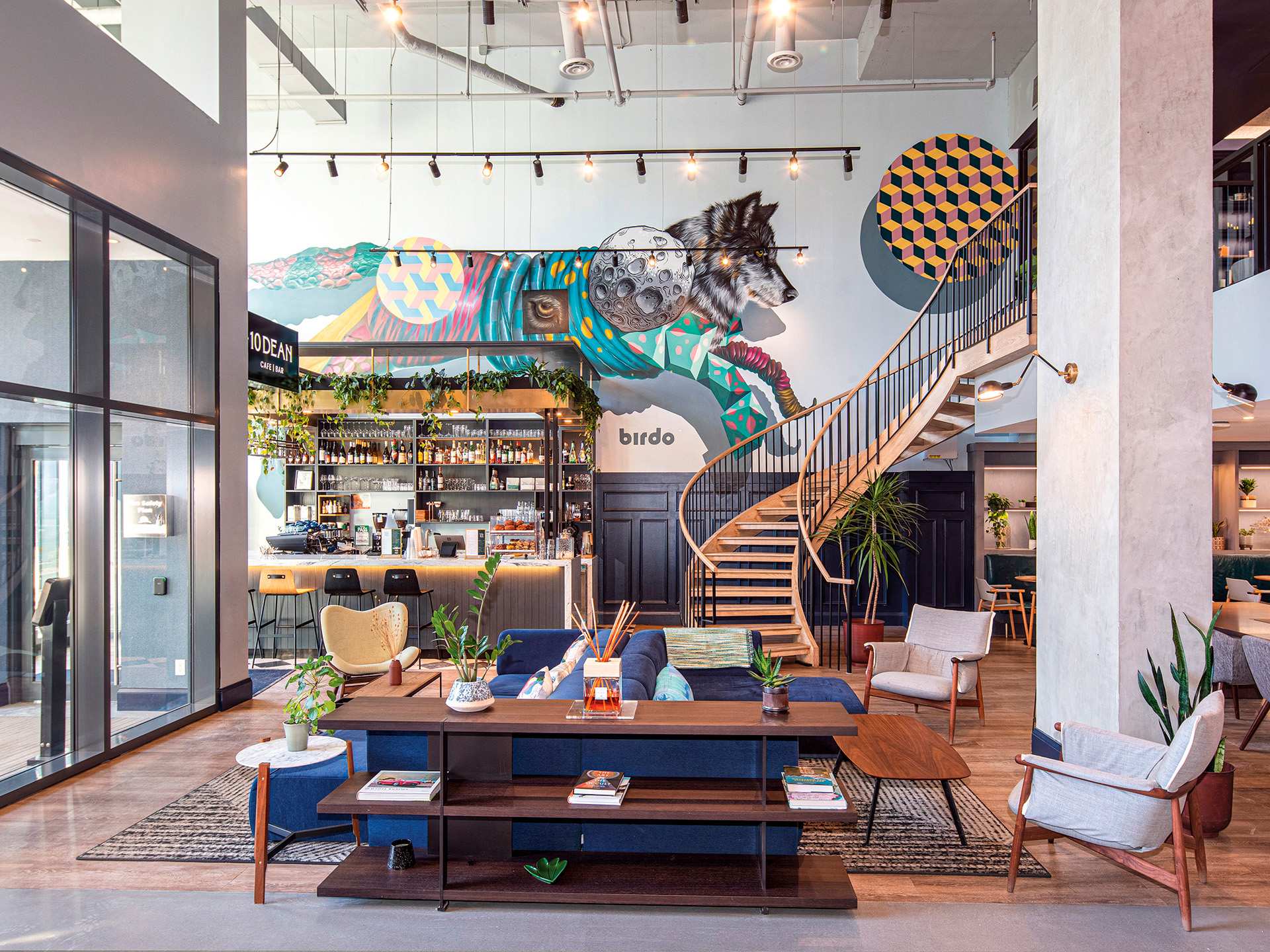
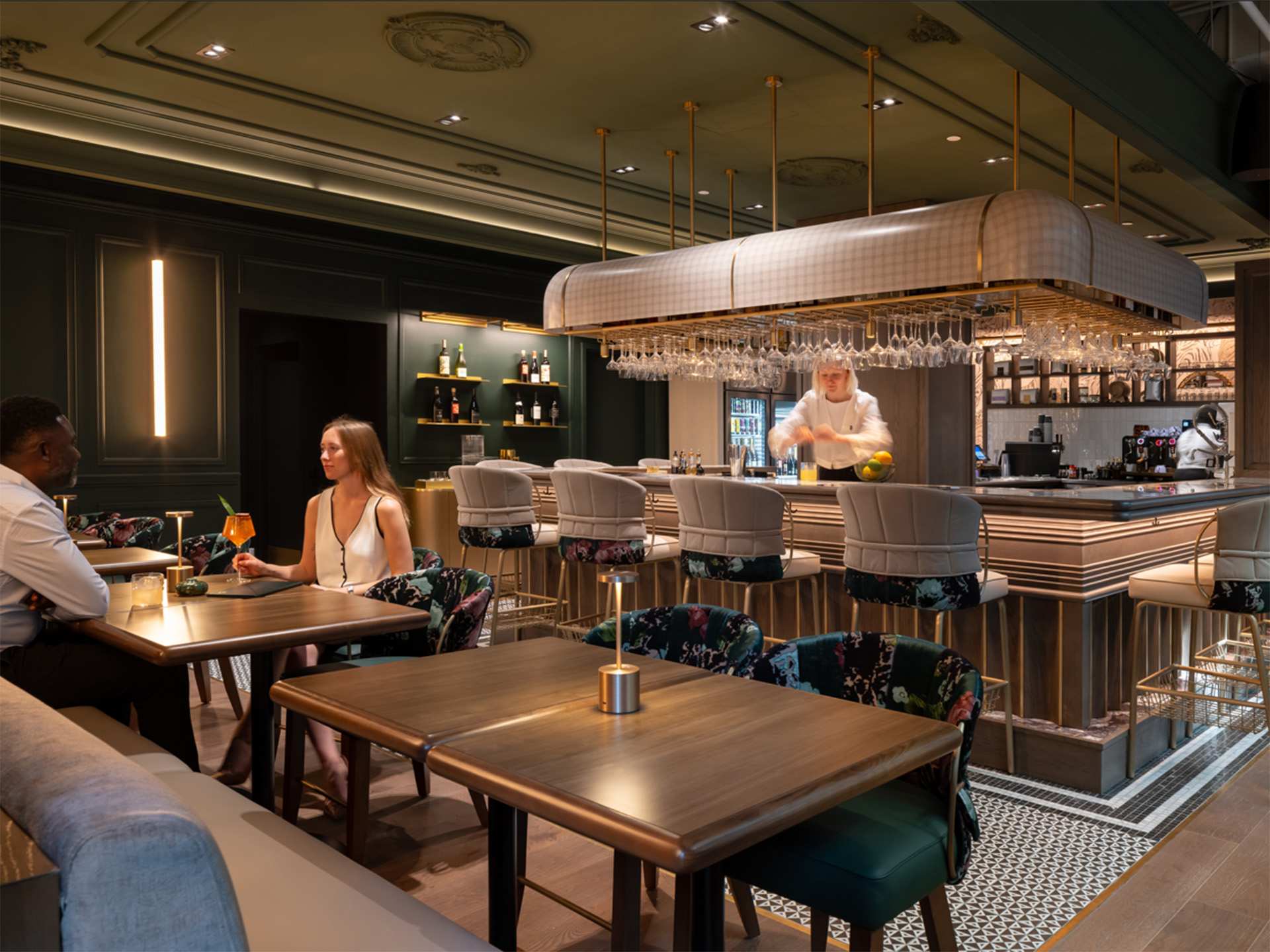
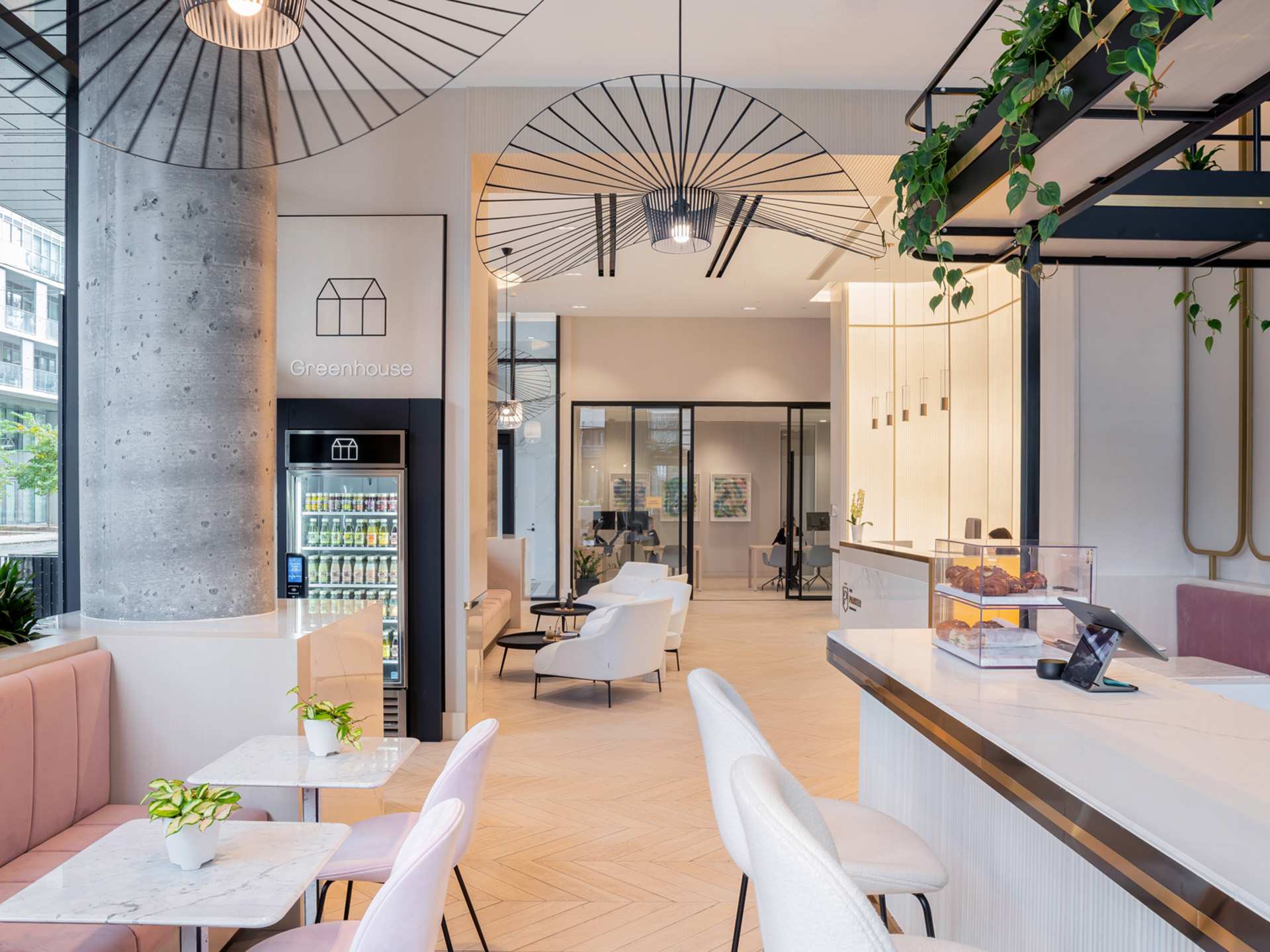

Kevin Yip, barista at 10 DEAN
Bartenders are also adopting barista techniques, such as precision dosing (carefully measuring espresso shots) and milk texturing (steaming milk to create velvety microfoam) to build layered espresso-based cocktails. “It’s not just about borrowing ingredients anymore,” Yip says. “It’s about merging skill sets.”
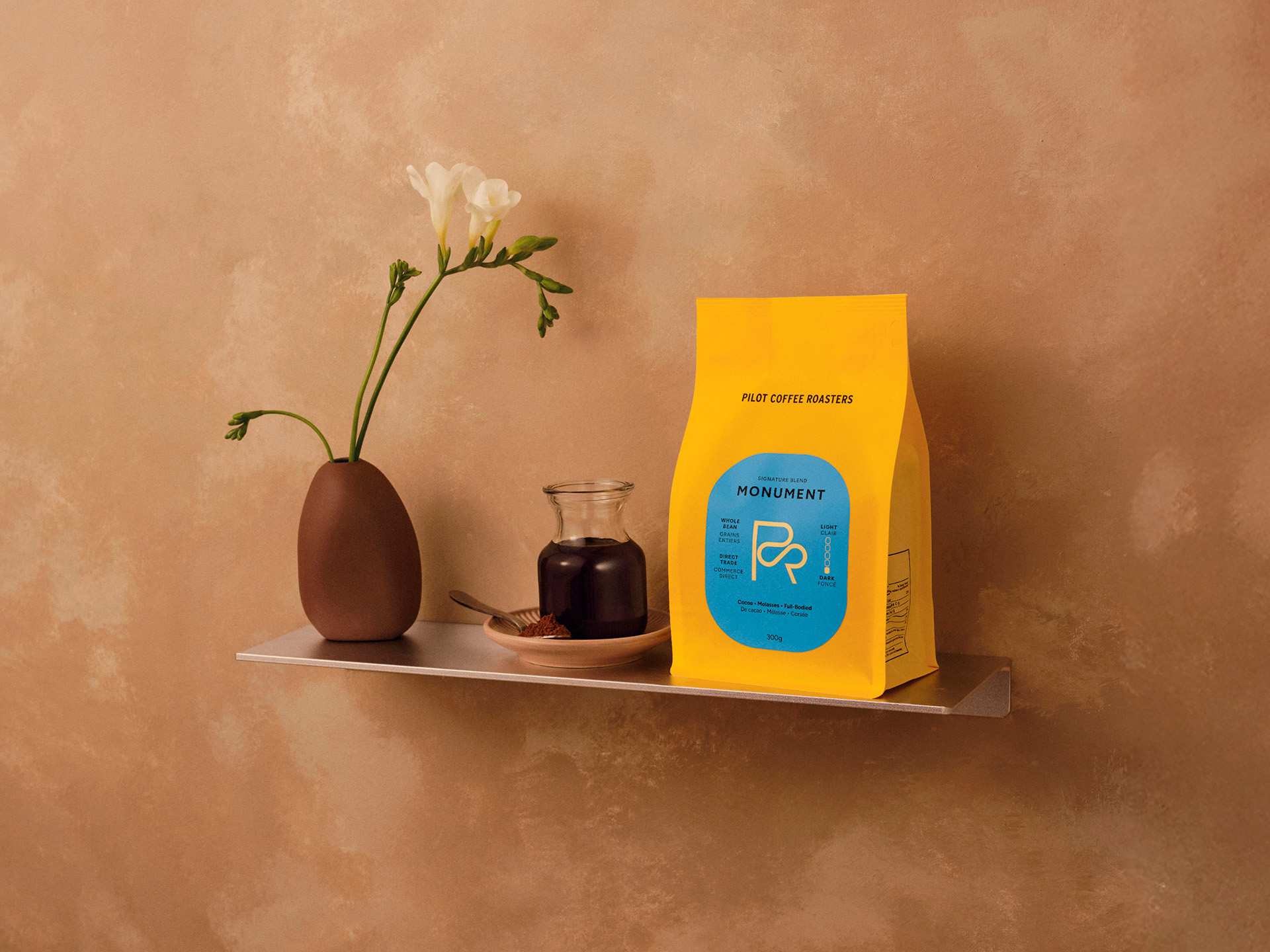
This innovative spirit shows up at Pilot Coffee Roasters, where baristas craft seasonal drinks using house-made syrups and infusions. And customers are responding. “We’ve seen a trend toward iced drinks, signature drinks and matcha — especially with younger guests looking for something refreshing,” says Trevor Walsh, brand director at Pilot.
This rising interest isn’t limited to cafés. “As consumers become more curious about origin, process and flavour, chefs and mixologists are following that lead,” says Yip. Even at home, that spirit of creativity is catching on. My daily coffee ritual — grinding beans and brewing a fresh cup that fills my studio with that familiar, bakery-adjacent aroma — feels routine, but also like a small personal connection to a bigger cultural shift. And no, I’m not grinding beans by hand. I have a fancy DeLonghi espresso machine that does it for me.
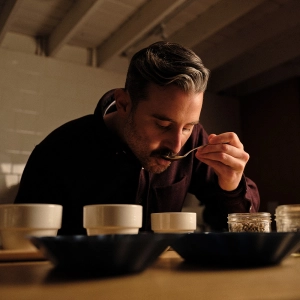
Trevor Walsh is the brand director at Pilot Coffee Roastery, a Toronto-based coffee company known for its ethical sourcing
I’ve made an orange mocha latte nightcap by spiking a shot of espresso with Cointreau and chocolate. Other times, I’ll warm milk, vanilla and a spoonful of peanut butter, then pour it into a strong brew for a peanut butter latte. (Trust me, it works.)
Social media has only amplified this wave of experimentation. “It’s energized baristas to explore new methods and concoctions,” Walsh notes. As a result, coffee has become a canvas to craft entirely original experiences.
The espresso martini may have led coffee’s charge into cocktail culture, but it was just the beginning. “With such a simple template, the variations are endless,” says Gus Edmundson, beverage director at Public Gardens. Emerging riffs like the carajillo — espresso with Licor 43 — are gaining traction. “But overall, the espresso martini just has an unmatched structure. As long as you’ve got a base spirit, espresso and some kind of sweetener, you can make it anything.”
He’s not wrong. I’ve tried espresso martinis made with mezcal, whiskey, amaro — even Frangelico — and they’ve all worked. “The momentum is there because people are demanding more nuance — and coffee delivers that,” Yip points out. “Bartenders are now treating coffee like spirits: exploring roast levels, extraction methods, even origin stories.” Coffee isn’t just an add-on anymore — it’s becoming the foundation.
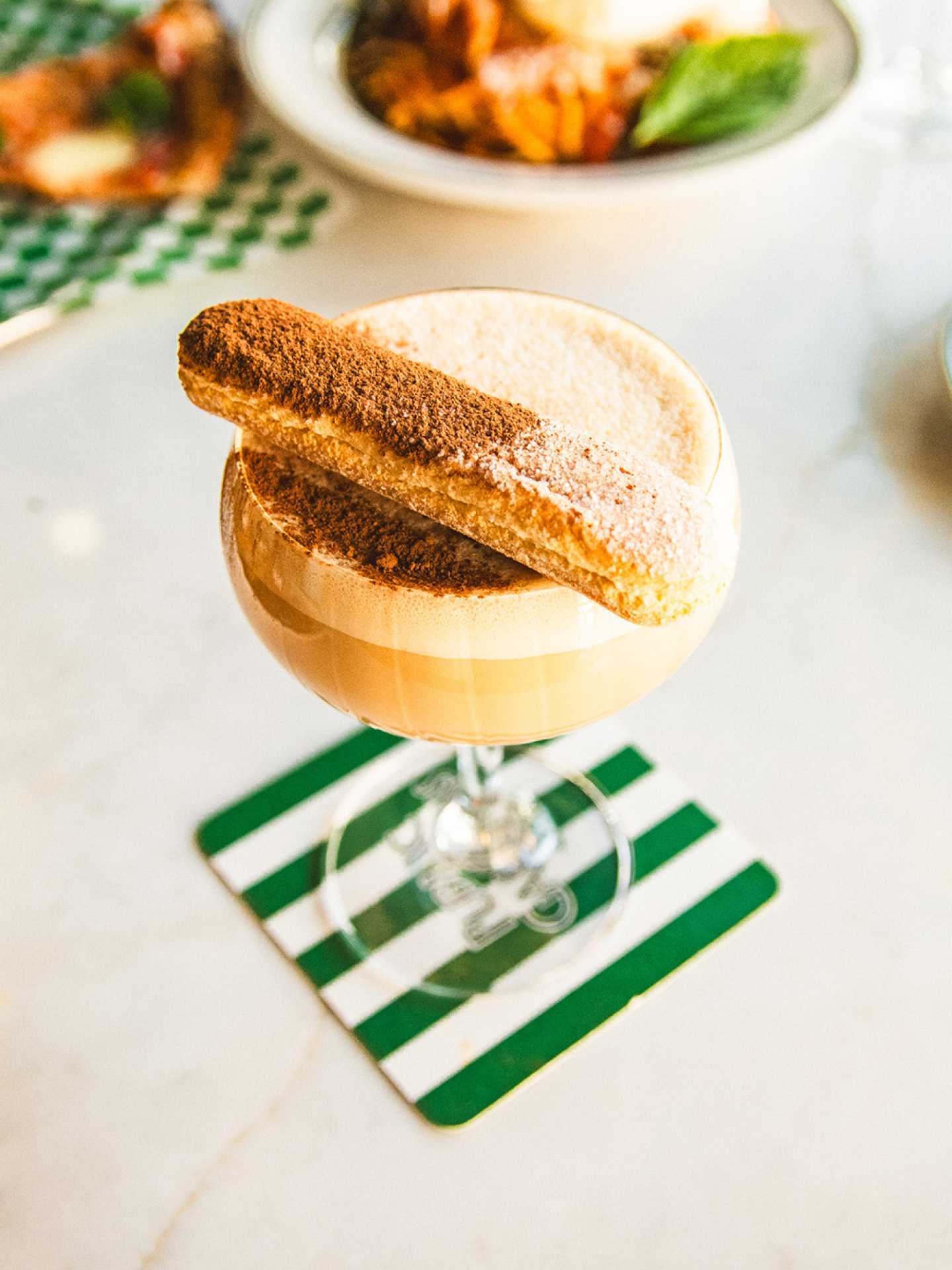
The tiramisu espresso martini at Public Gardens
At Public Gardens, that nuance is built into the process. “We use high-end espresso machines and pull fresh shots daily,” says Edmundson. “Because we’re adding dilution with ice and liqueurs, we need a bold, flavourful espresso that can stand up.” Their go-to? A roast from Hamilton-based Detour Coffee, which he describes as “bold and bright, with heavy chocolate notes — perfect for cocktails.”
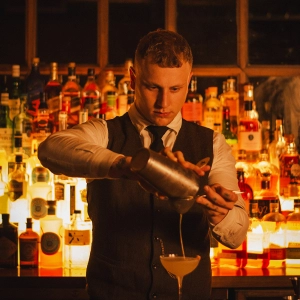
Gus Edmundson acts as beverage director at Public Gardens
It’s no surprise that mixologists and chefs are diving deeper. “Coffee can heighten chocolate, balance sweetness or add depth to spice,” Yip says. “From a technique perspective, it’s exciting too — you can infuse it, reduce it, cold brew it, espresso it — you have options. For creative professionals, that kind of versatility is gold.”
And it’s not just happening behind the scenes. “We’re seeing more specialty coffee representation in pop culture,” Walsh says. “Just look at The Bear — Carmen’s fine-dining restaurant has its own coffee program. More chefs and restaurateurs are realizing that if you care about high-quality ingredients, your coffee should reflect that too.”
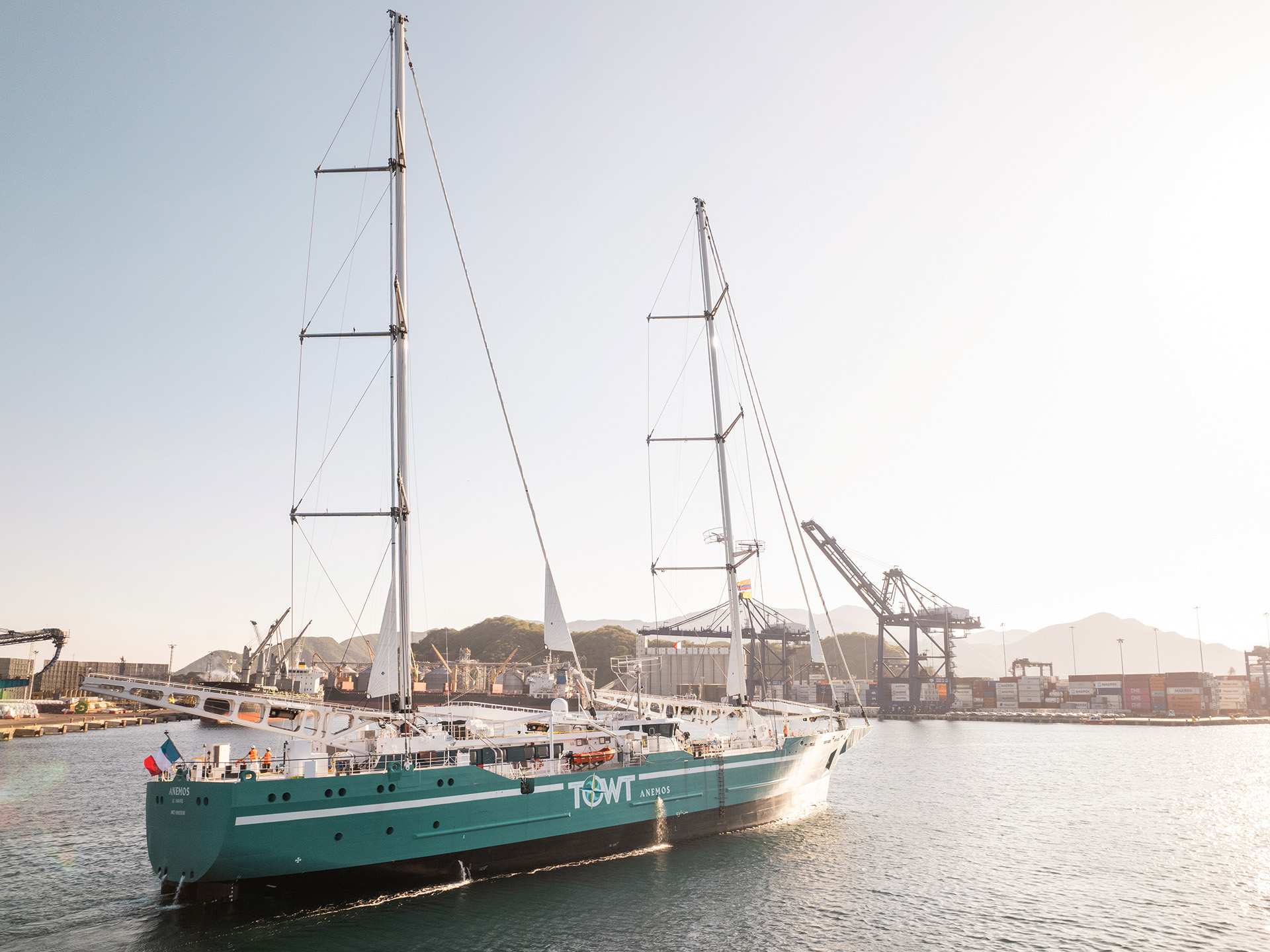
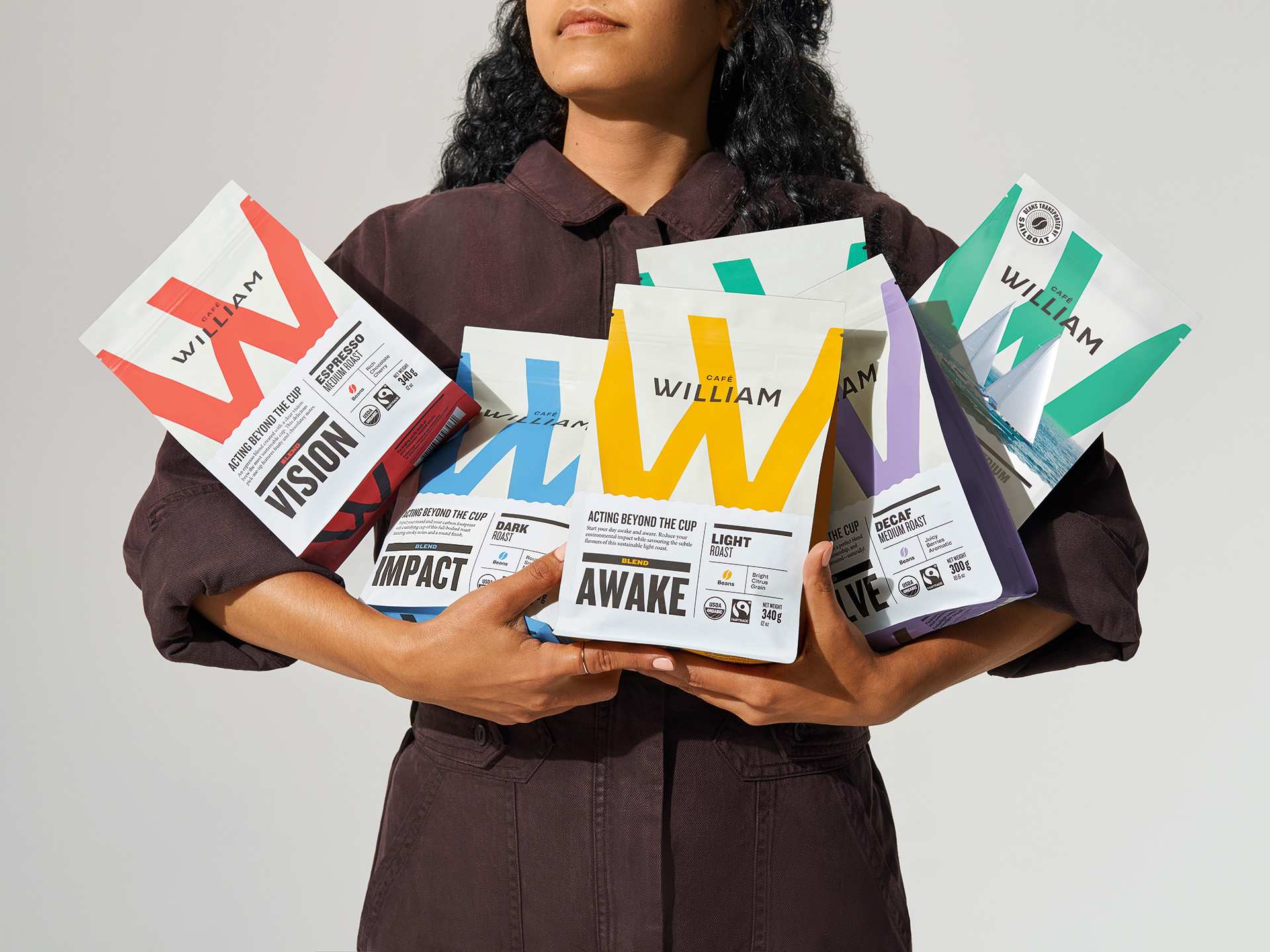
On the sourcing side, that care is also showing up. “We believe in treating coffee as an artisanal product,” says Laurie Laberge, marketing manager at Canadian coffee company Café William. From sail-powered cargo ships to a hydroelectric-powered roaster — North America’s first at commercial scale — their approach signals a deeper commitment to sustainability. It’s a quieter subplot to the café-bar crossover, but it shows how coffee is evolving even before it reaches the cup.
Jacky Wong, Manager and Educator at ESPRO — Canada’s first French press–focused coffee bar in The Beaches — emphasizes that sustainability matters, even if it doesn’t directly influence taste. “The flavour of a bean is largely genetic,” he explains. “But if we don’t protect the environment or support farmers, we risk losing those unique profiles altogether.” For Wong, sustainable sourcing isn’t about enhancing taste; it’s about preserving the future of coffee.
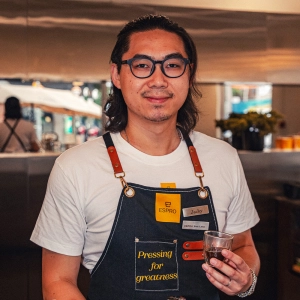
Jacky Wong is the barista at ESPRO, Canada’s first French press-focused coffee bar, and a leader in coffee tech and sustainability
That commitment to thoughtful sourcing and innovation drives ESPRO. The Canadian brand, which started as an accessory company known for its innovative French presses, opened its first café this year— yet another sign of Toronto’s growing coffee culture. ESPRO blends tech-forward accessory design with a deep respect for brewing technique, showing how method and experience can matter just as much as origin or roast. “We think of origin as a coffee’s natural personality — floral, acidic or chocolatey,” says Wong. “But the way you brew it is how you bring that personality forward, or lose it. Our French press–led methods are about enhancing, not overpowering, a bean’s story.”
That story often begins with geography. “Ethiopian beans offer jasmine-like floral notes, while Colombian beans are known for their bold fruitiness and richness.” ESPRO’s house blend combines African and South American beans to create a clean, balanced cup, while their rotating single origins highlight the diversity of terroirs from around the world.
“We’ve hit a moment where coffee is respected for its complexity, not just its caffeine,” says Yip. That shift is showing up everywhere from cocktails to barista-led R&D, and even in sustainability conversations.
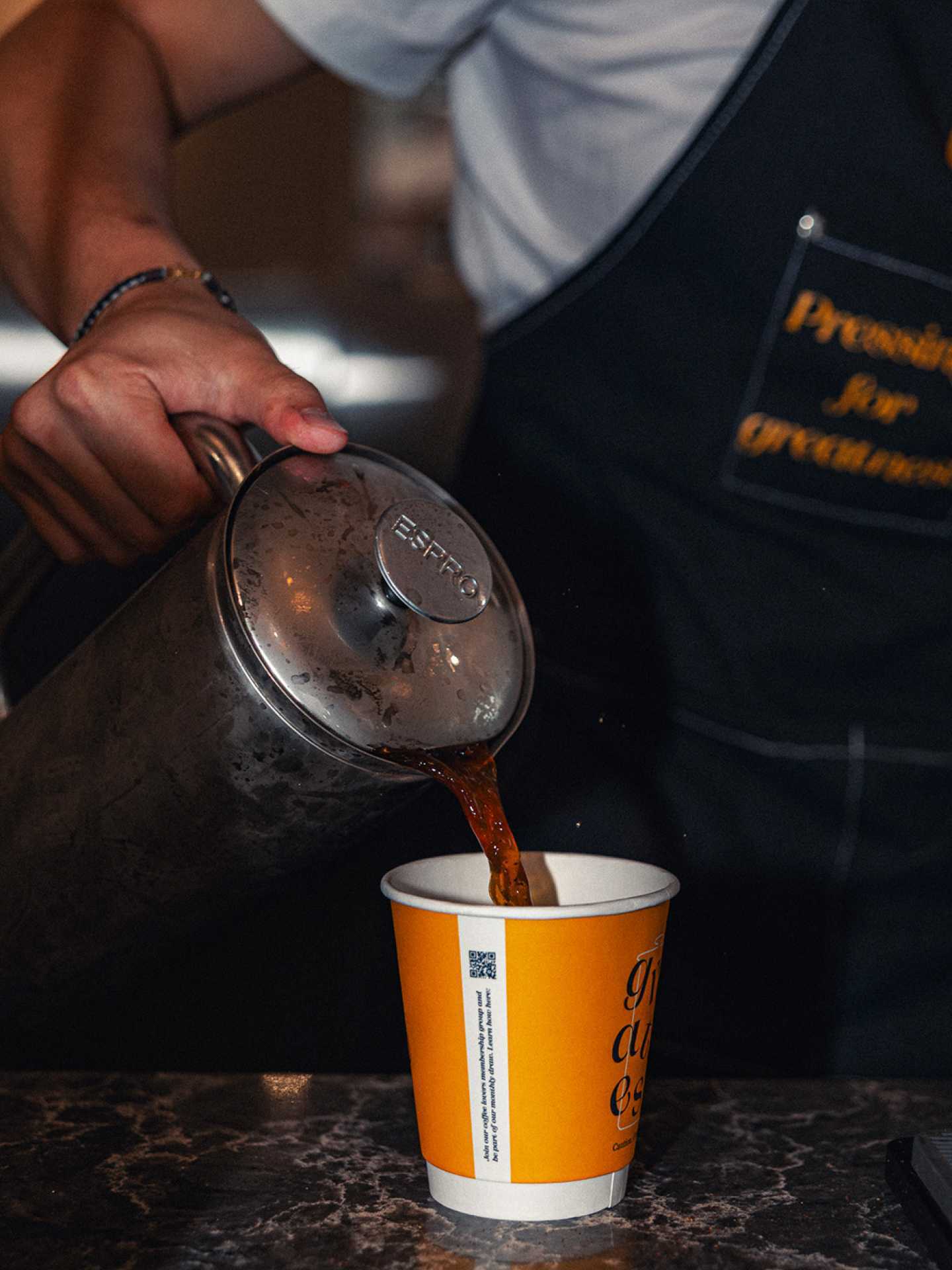
Wong, who moved to Toronto from Hong Kong — another hub of specialty coffee — sees Toronto “as a rising star in the global third-wave scene.” The city’s multicultural community, innovative coffee shops and passion for diverse brewing methods create a vibrant coffee culture enriched by professionals from around the world.
At ESPRO, Wong sees that curiosity firsthand, which is why they offer guided tasting experiences at the café. “Our guests are open, discerning and excited to explore — exactly the kind of audience that drives innovation in coffee.” Across the board, coffee professionals are pushing the boundaries of what the drink can be — and in the process, they’re redefining it. From morning ritual to late-night indulgence, coffee isn’t just waking us up anymore — it’s keeping us curious.